

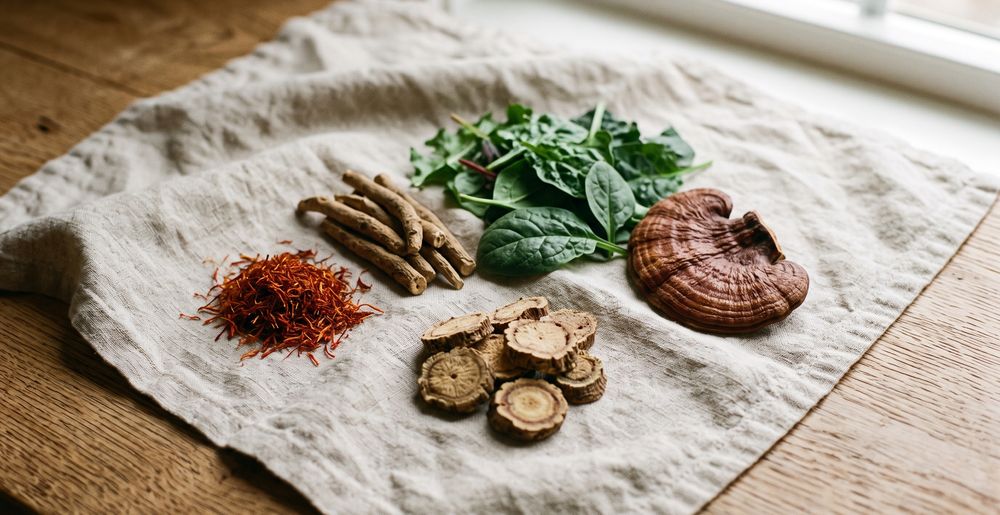
Best Supplements for Women UK: Hormones, Energy and Mood

About the author...
Will founded Supermushrooms after digging into the research behind mushroom and nootropic supplements. Every pick is checked against clinical dosing, extract standardisation, and real buyer reviews, and each star rating starts from a product's real Amazon score before being adjusted for formulation quality. Read more about how ratings are calculated.
Table of contents
- Key Takeaways (TL;DR)
- How to Combine These Supplements
- What These Supplements Can't Do
-
FAQ
- Can supplements actually help with PMS, or is that overstated?
- Does saffron really work as well as an antidepressant for PMDD?
- Will ashwagandha rebalance my hormones or help with menopause?
- Is 5-HTP safe to take alongside hormonal contraception or antidepressants?
- Does rhodiola help with women's stress specifically, or just stress in general?
- Is there real evidence for reishi in women's health, or is it mostly traditional use?
- Conclusion
Saffron has the strongest evidence base for PMS-related mood symptoms, while Ashwagandha and Magnesium Glycinate address the cortisol and monthly mineral-deficit angles most relevant to UK women's hormonal health. None of these substitute for HRT or medical care around perimenopause and menopause.
Four in ten UK women experience recognisable premenstrual syndrome symptoms. Between 2 and 8% describe them as severe enough to disrupt daily life, according to the Royal College of Obstetricians and Gynaecologists. Add in perimenopause, a transition now affecting roughly 2.6 million women taking HRT in England alone, plus the ordinary stress load of work, caregiving and disrupted sleep. It's little wonder the UK women's supplement category has grown faster than almost any other corner of the market over the past few years. Nearly seven in ten UK women report taking a supplement of some kind, well ahead of the figure for men.
That growth in interest hasn't always been matched by clarity. Marketing copy for "female balance" and "hormone support" blends often implies more than the underlying research supports. This is particularly true around menopause and cycle-related hormone shifts, where the biology is genuinely complex and individual variation is large. This guide takes a narrower, more defensible approach: six supplements with a specific evidence base relevant to women's health. It covers cortisol and stress physiology, premenstrual symptoms, mood, and sleep, rather than vague claims about "balancing hormones."
Each section below explains the mechanism, summarises the strongest trial evidence, and links to our dedicated review page so you can compare specific UK products. It closes with guidance on combining these sensibly, a section on where supplements stop and medical care needs to start, and an FAQ addressing the questions we're asked most often.
Key Takeaways (TL;DR)
- Saffron (30mg) has the strongest PMS evidence, performing comparably to fluoxetine in one PMDD trial.
- Ashwagandha lowers cortisol; one small perimenopause trial also found a significant estradiol increase.
- Magnesium Glycinate (200-400mg) specifically reduces the fluid-retention cluster of PMS symptoms.
- 5-HTP targets serotonin-driven mood swings but interacts with antidepressants — check with a GP first.
- Rhodiola Rosea suits stress that shows up as fatigue and overwhelm, acting faster than Ashwagandha.
- Reishi's evidence is for stress and fatigue, not a hormonal mechanism — human hormone data doesn't yet exist.
- None of these substitute for HRT or medical care around perimenopause and menopause.
Ashwagandha — Cortisol and the Hormone Connection
Ashwagandha (Withania somnifera) is the most researched adaptogen for stress physiology, and its mechanism is reasonably well understood. Standardised root extracts calm the hypothalamic-pituitary-adrenal (HPA) axis, the body's central stress-response system, which lowers circulating cortisol under chronic psychological stress. For women specifically, this matters because cortisol dysregulation is implicated in cycle-related mood symptoms, sleep disruption during perimenopause, and the general wear of juggling competing demands, even though ashwagandha isn't acting on oestrogen or progesterone directly in most of this research.
One trial gets more specific. A randomised, double-blind, placebo-controlled trial in perimenopausal women found that eight weeks of a standardised root extract significantly reduced total menopause rating scale scores compared with placebo, with improvements across psychological, physical and urinary symptoms. The same trial reported a statistically significant increase in serum estradiol and a reduction in two other reproductive hormones (FSH and LH) relative to placebo — a more direct hormonal finding than ashwagandha's stress research usually produces. It's a single trial of modest size, so a hormonal shift like this needs replication before it should change how anyone thinks about ashwagandha's mechanism. Still, it's a genuine and specific data point rather than an extrapolation from general stress trials.
The sensible way to read this evidence is as support for ashwagandha easing perimenopausal symptoms that track with stress and sleep, not as a replacement for HRT or a treatment that corrects hormonal imbalance in a clinical sense. Look for standardised root extracts (KSM-66 and Sensoril are the most studied trademarked versions) at doses of 300 to 600mg daily, taken consistently for at least six weeks before judging the effect. Root-only extracts tend to have a milder side-effect profile than root-and-leaf blends.
Find a product: Best Ashwagandha Supplements UKSaffron — The Strongest PMS Evidence Base
Saffron, the dried stigma of Crocus sativus, has an unusually solid trial record for a botanical supplement. A meaningful share of that evidence was generated specifically in women with premenstrual symptoms, rather than in mixed or male-heavy samples. An early double-blind, randomised, placebo-controlled trial gave women with PMS 30mg of saffron daily across two menstrual cycles. It found a significant reduction in symptom severity compared with placebo, with an acceptable side-effect profile.
More striking is a three-arm trial that compared saffron directly against fluoxetine (an SSRI commonly prescribed for premenstrual dysphoric disorder) and placebo, in women with PMDD, the more severe end of the premenstrual symptom spectrum. Saffron performed comparably to fluoxetine on standardised mood and symptom scales over two luteal-phase treatment cycles — a genuinely high bar for a supplement to clear against an active pharmaceutical comparator. The proposed mechanism involves two compounds, crocin and safranal, working on serotonin reuptake alongside anti-inflammatory action. That plausibly explains why saffron's effects show up on both mood and physical PMS symptoms rather than one or the other.
Doses in the positive trials sit around 30mg daily, typically split into two doses. When buying, look for a named, standardised extract with a stated crocin or safranal content (Affron is the most heavily studied trademarked version) rather than generic saffron powder with no quality control. Saffron is generally well tolerated, though very high doses have documented uterine-stimulant effects historically used in traditional medicine, so anyone pregnant or trying to conceive should avoid supplemental doses without discussing it with a midwife or GP first.
Find a product: Best Saffron Supplements UKMagnesium Glycinate — Correcting a Monthly Deficit
Magnesium's relevance to women's health is less about a novel hormonal action and more about a nutrient shortfall that shows up disproportionately around menstruation. Magnesium is a building block for several hundred enzyme reactions in the body, and losses increase during the second half of the cycle. That plausibly worsens the physical symptoms many women already associate with PMS: bloating, breast tenderness, fluid retention and cramping.
A randomised, double-blind, placebo-controlled crossover trial tested 200mg of daily magnesium across two menstrual cycles. It found a significant reduction specifically in the fluid-retention cluster of premenstrual symptoms — weight gain, swelling of the extremities, breast tenderness and abdominal bloating — compared with placebo. That's a narrower, more specific finding than a broad "magnesium fixes PMS" claim. But it's a well-designed trial, and the symptom cluster it targets is one of the more physically disruptive parts of PMS for many women. Separately, magnesium also plays a role in calming nerve signalling in the brain, which gives it a plausible, if less specifically studied, connection to the mood and irritability side of premenstrual symptoms too.
The glycinate form is generally preferred over cheaper oxide or citrate forms for regular use, since it's better absorbed and doesn't carry the same laxative effect at doses high enough to matter. Typical supplemental doses run 200 to 400mg of elemental magnesium daily, and starting it in the week before symptoms typically begin, then continuing through the cycle, matches how it was dosed in the positive trial data.
Find a product: Best Magnesium Glycinate Supplements UK5-HTP — Serotonin Support for Mood Swings
5-hydroxytryptophan (5-HTP) sits one step away from serotonin in the body's production chain, making it a more direct route to raising brain serotonin than dietary tryptophan. Cyclical mood swings, the irritability, low mood and emotional reactivity that cluster in the days before a period, are partly attributed to serotonin fluctuations that track the hormonal shifts of the second half of the cycle. That's the rationale for using a serotonin precursor rather than a hormone-acting supplement for this particular symptom.
The direct trial evidence in premenstrual mood symptoms specifically is thinner than for saffron. But a 12-week randomised controlled trial in older adults found that 100mg of daily 5-HTP modestly improved mood and cognitive scores compared with no supplementation, and older mechanistic work has reliably confirmed that 5-HTP supplementation raises blood serotonin as intended. Where 5-HTP earns a place in this guide is as an option for mood symptoms that feel serotonin-driven — flatness, tearfulness, irritability — rather than the more physical PMS symptoms magnesium addresses.
The most important safety point for women specifically is drug interaction risk with hormonal antidepressant combinations and with St John's Wort, a supplement sometimes taken alongside hormonal contraception. Combining 5-HTP with an SSRI, SNRI or MAOI risks serotonin syndrome, so anyone on prescribed antidepressant medication should speak to a GP or pharmacist before adding it. Typical doses run 50 to 100mg daily, usually in the evening given its mild sedating effect.
Find a product: Best 5-HTP Supplements UKRhodiola Rosea — Stress Resilience Without the Crash
Rhodiola is an adaptogen in the same broad category as ashwagandha, but it works faster, often within one to two weeks rather than a month or more. Its mechanism is slightly different too, involving mild effects on mood-regulating brain chemicals alongside the same stress-axis calming that ashwagandha produces. That faster onset makes it a reasonable fit for the kind of acute, deadline-driven stress and burnout that disproportionately affects women juggling paid work with the bulk of unpaid caregiving labour, a pattern well documented in UK time-use data.
A multicentre, open-label exploratory trial in patients with burnout syndrome found meaningful reductions across multiple burnout dimensions, including emotional exhaustion, tension and lack of joy. Participants also rated their professional and personal functioning as improved over the treatment period. It's an open-label design rather than placebo-controlled, which is a real limitation worth being upfront about. But it's consistent with better-controlled rhodiola trials showing reduced fatigue and improved stress-related symptoms in working populations more broadly.
Rhodiola is best suited to stress that shows up mainly as fatigue, reduced tolerance for pressure, or a sense of being stretched too thin, rather than the more cyclical mood pattern that saffron or 5-HTP target. Standard doses run 300 to 500mg daily of extract standardised to at least 3% rosavins and 1% salidroside, and because of its mild stimulating quality it's better taken earlier in the day than in the evening.
Find a product: Best Rhodiola Rosea Supplements UKReishi — Sleep and General Resilience
Reishi (Ganoderma lucidum) has the longest history of traditional use of anything on this list. Modern research has focused mainly on two compound groups in the mushroom, polysaccharides and triterpenes, studied for immune support, general fatigue reduction and, to a more limited extent, sleep quality. It's worth being clear-eyed here: claims that reishi has direct oestrogen-like or hormone-regulating effects in humans come almost entirely from cell and animal studies, and haven't been established in human trials. That doesn't rule reishi out for women's health — it just means its case rests on stress and fatigue evidence rather than a hormonal mechanism.
A randomised, placebo-controlled trial conducted specifically in female college students found that eight weeks of reishi supplementation significantly reduced psychological stress scores compared with placebo — one of the few reishi trials conducted in an exclusively female population. Separately, a randomised, double-blind, placebo-controlled trial in adults with neurasthenia (a condition marked by persistent fatigue and poor recovery) found that a standardised reishi extract improved clinician-rated symptoms and reduced fatigue more than placebo over eight weeks. Neither trial claims a hormonal mechanism. Both point to a plausible role in general stress load and recovery, which for many women overlaps heavily with the fatigue and disrupted sleep that accompany both PMS and perimenopause.
Reishi is generally well tolerated and slow-acting, with most trial protocols running six to eight weeks before assessing effect. Look for extracts standardised to beta-glucan and triterpene content rather than raw powdered fruiting body alone, since standardisation is a reasonable proxy for potency in a mushroom category where quality varies considerably between brands.
Find a product: Best Reishi Supplements UKHow to Combine These Supplements
These six work through different mechanisms, which means sensible combinations exist. But stacking all six at once makes it hard to tell what's actually helping, and increases the chance of an unwanted interaction. A better approach is to match the supplement to the symptom pattern that bothers you most, give it six to eight weeks at a consistent dose, and only add a second if the first shows a partial effect.
Some pairings are lower-risk than others. Magnesium glycinate combines well with either adaptogen (ashwagandha or rhodiola), since it works on a distinct mechanism and is typically dosed in the evening, when ashwagandha is also often taken. Saffron and magnesium is a reasonable starting stack for PMS that has both a mood and a physical symptom component, since the two act on largely separate pathways. Rhodiola is better paired with a morning routine and kept away from any other stimulating supplement late in the day, since its mild stimulant effect can affect sleep if taken too late.
The combination to actively avoid is layering 5-HTP with saffron, St John's Wort, or any prescribed antidepressant. Several of these act on the same serotonin pathway, and the interaction risk compounds rather than simply adding up. Anyone taking hormonal contraception, HRT, or medication for a diagnosed thyroid, mood or hormonal condition should treat this entire list as something to run past a GP or pharmacist before starting, not something to combine unilaterally with existing treatment.
What These Supplements Can't Do
It's worth stating plainly: none of the six supplements in this guide are a treatment for menopause, PCOS, endometriosis, PMDD, thyroid disorders or any other diagnosed hormonal or gynaecological condition. Where the evidence above touches on hormone levels, as with the ashwagandha perimenopause trial, it reflects a single study measuring a secondary outcome, not an established, repeatable hormonal therapy. HRT, hormonal contraception and condition-specific medical treatments work through mechanisms, and at a level of evidence, that general wellbeing supplements simply don't match. They shouldn't be delayed or substituted on the strength of a supplement trial. PCOS specifically has its own dedicated evidence base worth reading separately: see our Best Inositol Supplement UK guide for the myo-inositol and D-chiro-inositol research behind ovulatory and insulin-sensitivity support.
Where these six genuinely help is at the milder end of the spectrum: general stress load, sleep disruption, cyclical mood changes and physical PMS symptoms that fall short of a diagnosable condition. If symptoms are severe, persistent, or significantly affecting daily life, the right next step is a GP appointment. That covers PMS bad enough to disrupt work, perimenopausal symptoms affecting sleep for months on end, or mood changes that meet the threshold for depression or anxiety. NHS-commissioned menopause and gynaecology services, along with NHS Talking Therapies for mood-related symptoms, exist precisely because supplements aren't designed to substitute for them.
FAQ
Can supplements actually help with PMS, or is that overstated?
For some symptoms, the evidence is genuinely solid rather than aspirational. A placebo-controlled trial found saffron significantly reduced overall PMS symptom severity over two menstrual cycles,1 and a separate crossover trial found magnesium specifically reduced the fluid-retention symptom cluster (bloating, breast tenderness, swelling) compared with placebo.2 Both are narrower claims than "cures PMS," but they're backed by real randomised data rather than tradition alone.
Does saffron really work as well as an antidepressant for PMDD?
In one three-arm trial, yes, on the specific measures used. Saffron performed comparably to fluoxetine on standardised symptom scales in women with premenstrual dysphoric disorder over two treatment cycles.3 That's one trial, not a body of confirmatory evidence spanning many studies, so it should be read as a promising signal rather than proof that saffron can substitute for prescribed treatment in a clinical PMDD diagnosis.
Will ashwagandha rebalance my hormones or help with menopause?
There's a specific signal worth knowing about: an eight-week randomised trial in perimenopausal women found reduced menopause rating scale scores alongside a significant increase in estradiol and reduction in FSH and LH versus placebo.4 It's a single trial of modest size, and a genuine hormonal shift like this needs independent replication before it should be treated as an established effect, so it's best framed as encouraging early evidence rather than a substitute for medical menopause management.
Is 5-HTP safe to take alongside hormonal contraception or antidepressants?
It's generally considered compatible with hormonal contraception, but not with antidepressants. 5-HTP raises serotonin through a direct precursor mechanism, and a 12-week trial confirmed mood and cognitive benefits when taken alone,5 but combining it with an SSRI, SNRI or MAOI carries a genuine risk of serotonin syndrome. Anyone on prescribed antidepressant medication should speak to a GP or pharmacist before starting it.
Does rhodiola help with women's stress specifically, or just stress in general?
Most rhodiola trials aren't sex-specific, but the underlying mechanism, HPA axis modulation and mild monoamine oxidase inhibition, isn't sex-dependent either. An open-label trial in burnout patients found meaningful reductions across several burnout dimensions over the treatment period,6 a pattern that plausibly extends to the disproportionate caregiving and workload stress many women carry, even though the trial itself wasn't restricted to women.
Is there real evidence for reishi in women's health, or is it mostly traditional use?
There's more than tradition, though it's not hormone-specific evidence. A randomised, placebo-controlled trial conducted in female college students found reishi supplementation significantly reduced psychological stress scores over eight weeks.7 Claims about reishi directly affecting oestrogen or menopause hormones remain limited to cell and animal research and haven't been confirmed in human trials.
Conclusion
There's no single best supplement for women's health, because the symptoms grouped under that heading, PMS, stress, low mood, disrupted sleep, aren't one thing physiologically. Saffron has the most specific and best-controlled trial evidence for premenstrual symptoms, including a head-to-head comparison with an SSRI in PMDD. Magnesium glycinate is the lowest-risk option and worth ruling in or out early, particularly for the physical, fluid-retention side of PMS. Ashwagandha and rhodiola both work by calming the body's stress response, with rhodiola acting faster and ashwagandha carrying a more specific, if still preliminary, data point in perimenopausal hormone levels. 5-HTP offers a direct route to mood support but carries real interaction risks for anyone on prescribed antidepressants. Reishi is the slowest-acting and least hormone-specific of the six, better framed as general stress and fatigue support than anything targeted.
Pick the one that matches your main symptom, give it a proper six-to-eight-week trial, and treat anything severe, persistent, or affecting daily functioning as a reason to see a GP rather than a reason to keep adding supplements.
-
Crocus sativus L. (saffron) in the treatment of premenstrual syndrome: a double-blind, randomised and placebo-controlled trial ↩︎
-
Magnesium supplementation alleviates premenstrual symptoms of fluid retention ↩︎
-
Saffron for the Management of Premenstrual Dysphoric Disorder: A Randomized Controlled Trial ↩︎
-
Effect of an ashwagandha (Withania Somnifera) root extract on climacteric symptoms in women during perimenopause: A randomized, double-blind, placebo-controlled study ↩︎
-
The Impact of 5-Hydroxytryptophan Supplementation on Cognitive Function and Mood in Singapore Older Adults: A Randomized Controlled Trial ↩︎
-
Multicenter, open-label, exploratory clinical trial with Rhodiola rosea extract in patients suffering from burnout symptoms ↩︎
-
Efficacy of Lingzhi or Reishi Medicinal Mushroom Ganoderma lucidum Supplementation on Psychological Stress and Selective Fitness Profile Parameters in Female College Students ↩︎