


Best Lutein and Zeaxanthin Supplement UK for Eye Health

About the author...
Will founded Supermushrooms after digging into the research behind mushroom and nootropic supplements. Every pick is checked against clinical dosing, extract standardisation, and real buyer reviews, and each star rating starts from a product's real Amazon score before being adjusted for formulation quality. Read more about how ratings are calculated.
Table of contents
- Key Takeaways (TL;DR)
- How We Choose
- Quick Comparison
- Performance Lab Vision v2
- Time Health Lutein 40mg with Zeaxanthin 2mg
- Vegavero Vision Care Eye Vitamins
- Alpha01 Lutein and Zeaxanthin with BioPerine
- Eyesight Plus AREDS2 Eye Supplement
- Health4All Lutein and Zeaxanthin 25mg
- Horbaach Lutein and Zeaxanthin Supplement
- Reading the Label: Marigold Extract, Ratios and Esters
- Who AREDS2 Actually Studied
- Blue Light and Screen Time: What the Trials Show
- Safety and Side Effects
- Best Lutein and Zeaxanthin Supplement FAQ
- The Best Lutein and Zeaxanthin Supplement for You
The best lutein and zeaxanthin supplement in the UK is currently Performance Lab Vision v2, which supplies exactly the 10mg lutein and 2mg zeaxanthin tested in AREDS2 in one capsule, alongside astaxanthin, bilberry and saffron, at a real price premium. If you want a dedicated lutein and zeaxanthin product sold on Amazon, Time Health Lutein 40mg with Zeaxanthin 2mg has clearly stated per-capsule doses, UK-made additive-free capsules and the highest customer rating of the Amazon-sold six. See the comparison below for how the rest compare.
Lutein and zeaxanthin are yellow xanthophyll carotenoids that build up in the macula, the small central patch of the retina responsible for sharp detail vision. There they form the macular pigment, which absorbs some blue light before it reaches the photoreceptors and also acts as an antioxidant1. The body can't make lutein, so it has to come from food (egg yolks and dark green leafy vegetables are the classic sources) or from supplements2. Marigold petals are the standard commercial source of both.
Marketing for these products often runs ahead of the trials. The best-known evidence, the AREDS2 trial, was done in people aged 50 to 85 who already had or were at high risk of advanced age-related macular degeneration (AMD), and even there the primary result for adding lutein and zeaxanthin was not statistically significant3. The "protects your eyes from screen blue light" claim rests mostly on the filtering mechanism, not on trials showing less eye strain. Both points get a full section below. What varies most between UK products is how clearly the label says what you're getting: some print lutein and zeaxanthin separately, one gives only a combined figure, and one listing's headline "60mg" is the total across three tablets.
Key Takeaways (TL;DR)
- Choose marigold (Tagetes erecta) extract capsules that state lutein and zeaxanthin separately, not as one combined figure.
- AREDS2 tested 10mg lutein plus 2mg zeaxanthin (5:1); its primary analysis of adding them was not statistically significant3.
- AREDS2 studied adults aged 50 to 85 at risk of advanced AMD, not healthy younger people.
- Blue light filtering is real biology, but no trial we found shows these supplements reduce everyday screen eye strain.
- Check the serving size: Vegavero's dose is two capsules, and Horbaach's headline "60mg" is three tablets.
- Take it with a meal containing fat, since lutein uptake was higher with a high-fat meal in one trial4.
- Allow 3 to 6 months, because macular pigment studies run 3 to 12 months5.
How We Choose
We start from each product's real customer rating (live Amazon UK ratings for the products sold there; Performance Lab Vision isn't an Amazon listing, so its 4.75/5 from 50 reviews is the brand's own on-site rating, labelled as such), then weigh the disclosed doses against the 10mg lutein and 2mg zeaxanthin used in AREDS2, how clearly the label states each compound separately and per serving, and how the capsules are made and tested. Several products supply far more lutein than the trial did, so a bigger milligram count didn't earn extra credit on its own. Value is judged per day of use relative to the rest of this list, not the wider market.
Quick Comparison
Each product's overall rating starts from its real customer rating (Amazon UK where sold there; Performance Lab Vision's own site rating otherwise), then gets adjusted (up to ±0.5) for dose versus clinical research, extract standardisation, manufacturing quality, and value. Click a product name to jump straight to its full review below.
| Product | Best For | Type | Serving | Lutein : Zeaxanthin |
|---|---|---|---|---|
|
Performance Lab Vision v2 5.0 |
Buyers who want the exact AREDS2 lutein and zeaxanthin amounts inside a complete eye-health formula | Capsules | 1 NutriCaps (10mg lutein, 2mg zeaxanthin, plus 4mg astaxanthin, bilberry, blackcurrant and saffron) | 10mg lutein and 2mg zeaxanthin from marigold extract, each stated separately per capsule, in the 5:1 ratio tested in AREDS2 |
|
Time Health Lutein 40mg with Zeaxanthin 2mg 4.8 |
Clear per-capsule labelling, one capsule daily | Capsules | 1 capsule (40mg lutein, 2mg zeaxanthin) | 300mg micro-encapsulated marigold extract; 20:1 ratio |
|
Vegavero Vision Care Eye Vitamins 4.7 |
Keeping the AREDS2 5:1 ratio at higher doses | Capsules | 2 capsules (40mg lutein, 8mg zeaxanthin) | XanMax marigold extract; 5:1 ratio, the AREDS2 ratio |
|
Alpha01 Lutein and Zeaxanthin with BioPerine 4.6 |
Lowest cost per day, six-month pouch | Capsules | 1 capsule (40mg lutein, 2.5mg zeaxanthin) | Marigold extract (80% carotenoids); 16:1 ratio, plus BioPerine |
|
Eyesight Plus AREDS2 Eye Supplement 4.4 |
Matching the exact AREDS2 dose | Capsules | 1 capsule (10mg lutein, 2mg zeaxanthin) | 10mg : 2mg, the AREDS2 amounts and 5:1 ratio |
|
Health4All Lutein and Zeaxanthin 25mg 4.3 |
Simple UK-made capsule on a budget | Capsules | 1 capsule (25mg lutein and zeaxanthin combined) | Tagetes erecta petal extract; split between the two not stated |
|
Horbaach Lutein and Zeaxanthin Supplement 4.2 |
High-strength tablets, three a day | Tablets | 3 tablets (60mg lutein, 3mg zeaxanthin) | Tagetes erecta extract; 20:1 ratio, 20mg lutein per tablet |
Performance Lab Vision v2
Best Overall: The AREDS2 Dose Inside a Complete Eye Formula
based on 50 Performance Lab site reviews (4.8★), adjusted for formulation quality
Why Vision Takes the Top Spot
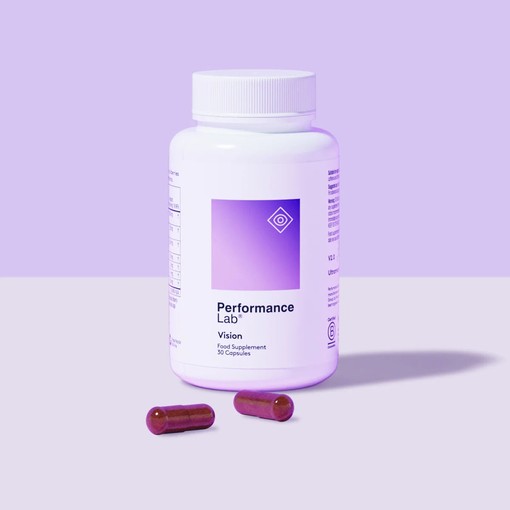
Vision is one of only two products in this comparison that supplies exactly 10mg lutein and 2mg zeaxanthin, the amounts tested in AREDS23, and the only one to combine that dose with astaxanthin and saffron, plus 25mg of bilberry extract. The lutein comes from marigold extract, each compound is stated separately at an exact amount, and the product is third-party tested and Clean Label Project Certified.
That's an honest case for it, not a claim that it delivers more lutein than the rest. Several dedicated products here supply far more, and as the AREDS2 section below explains, the trial's primary analysis found no significant benefit from adding lutein and zeaxanthin, with a modest one appearing only at 10-year follow-up6. What Vision offers is the trial dose with unusually complete labelling and a broader formula. Our full review goes through each ingredient's evidence, including where the marketing overreaches.
Vision: All The Details
Each bottle holds 30 NutriCaps, a one-month supply at one capsule daily with a fat-containing meal. It's vegan, GMP certified and made by a Certified B Corporation, with a 4.75/5 rating from 50 reviews on Performance Lab's own site. It isn't sold on Amazon, so that rating comes from a brand-controlled source rather than the Amazon scores elsewhere in this list. It costs meaningfully more per day than any product below, so it makes sense if you want the wider formula, and less so if lutein and zeaxanthin are all you're after.
Time Health Lutein 40mg with Zeaxanthin 2mg
Best Dedicated Lutein and Zeaxanthin: Clear Labelling, One Capsule a Day
based on 527 Amazon UK reviews (4.6★), adjusted for formulation quality
What We Love About the Simple Per-Capsule Labelling
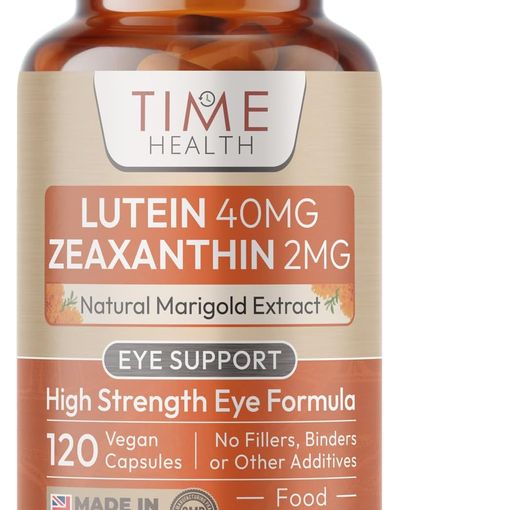
Time Health puts its numbers where buyers look first. Each capsule holds 300mg of micro-encapsulated marigold extract, which the label says provides 40mg of lutein and 2mg of zeaxanthin, so both the extract weight and the actives are stated. The direction is one capsule daily with a meal, which means no arithmetic across several units. It also carries the strongest customer rating of the six, 4.6 stars from more than 500 reviews.
The ratio deserves a second look. At 20:1 it's a long way from the 5:1 used in AREDS2, though it sits close to what plain marigold extract contains: one analysis of a commercial extract found about 5% zeaxanthin against 88% lutein and lutein esters, roughly 18:17. Here the zeaxanthin matches the trial's 2mg while the lutein is four times higher.
The 40mg Capsule: All The Details
The 120-capsule bottle covers four months at one a day. The capsules are pullulan (a tapioca-derived plant material) rather than gelatin, the pack states "no fillers, binders or other additives", and it carries a Made in United Kingdom mark and a GMP badge. The brand also says the bottle is made from recycled plastic. These are label claims rather than published test results, and the listing doesn't mention independent batch testing, which is why manufacturing scores well but not top marks. The brand says micro-encapsulation in acacia gum improves stability and absorption; we didn't find published human data on that specific claim, so take it with a meal that contains some fat instead of relying on it.
Vegavero Vision Care Eye Vitamins
Best 5:1 Ratio — Complete Eye Complex
based on 847 Amazon UK reviews (4.4★), adjusted for formulation quality
Why the 5:1 Ratio Matters Here
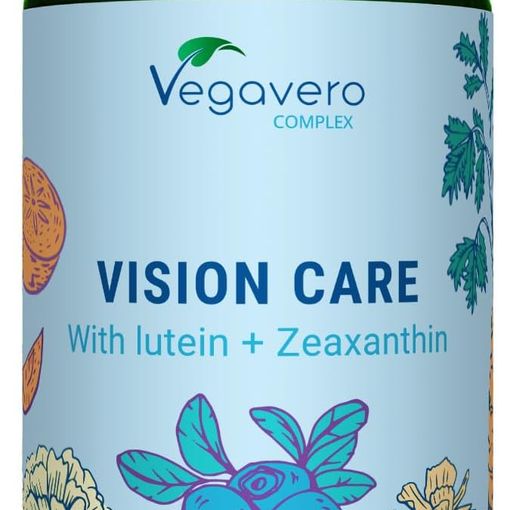
Vegavero is one of only two products in this list that keep lutein and zeaxanthin in the AREDS2 5:1 ratio, and it says so in numbers: two capsules a day provide 40mg lutein and 8mg zeaxanthin from XanMax, a branded marigold extract. That is four times the trial amounts, so the ratio is borrowed from AREDS2 but the absolute dose isn't. There's some logic to going higher, because a meta-analysis found macular pigment rose further at 20mg a day and above than at lower intakes5. A bigger rise in a retinal marker is still not the same as a proven clinical outcome, though.
Around the carotenoids the formula adds organic bilberry extract, zinc citrate, vitamin B2 and beta carotene from carrot extract. Ground linseed replaces microcrystalline cellulose as the filler, which the brand says also helps absorb the fat-soluble carotenoids.
Vegavero's Two-Capsule Dose: All The Details
A 120-capsule bottle lasts 60 days at the recommended two capsules daily, which makes this the most expensive product per day in the list at the time of writing. The capsules are vegan and non-GMO, and the listing states lab testing, with certificates available from the brand on request (we couldn't see them on the page).
One flag for smokers and former smokers: the formula includes beta carotene, and its amount isn't given in the listing text. In AREDS2 it was beta carotene, not lutein or zeaxanthin, that was linked with more lung cancers, mostly in former smokers3. Check the label first if that applies to you.
Alpha01 Lutein and Zeaxanthin with BioPerine
Best Value — Six Months per Pouch
based on 633 Amazon UK reviews (4.5★), adjusted for formulation quality
Why the Value Case Is So Strong
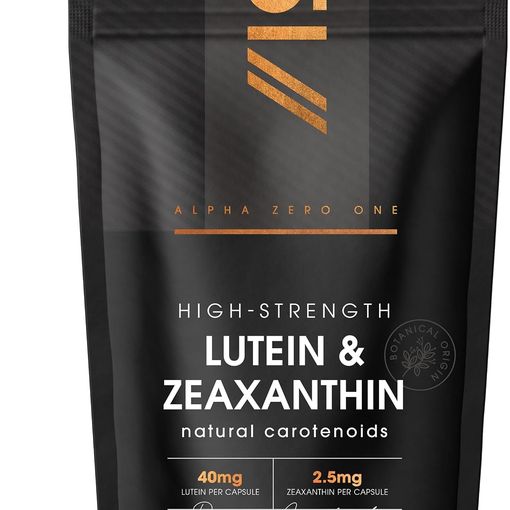
The pouch holds 180 capsules at one a day, half a year of supply, and at the time of writing it's the lowest cost per day in this comparison by a clear margin. Each capsule states 40mg lutein and 2.5mg zeaxanthin on the front (16:1), from a marigold flower extract described as 80% carotenoids. The formula also adds BioPerine, a black pepper extract that the brand says improves carotenoid absorption.
That last claim is the brand's own. The better-supported lever is dietary fat: in one trial in healthy volunteers, plasma lutein rose 207% when lutein esters were taken with a high-fat meal, against 88% with a low-fat one4. Treat the pepper extract as a possible bonus.
The 180-Capsule Pouch: All The Details
Ingredients are marigold flower extract, BioPerine and organic hemp flour in a hypromellose (plant cellulose) capsule. The listing gives the UK as the country of origin and describes the pouch as vegan, gluten-free and halal-suitable, but it doesn't cite independent testing or certification, so manufacturing lands mid-range. Alpha01 also sells 50mg and 60mg lutein versions of this product, which sit even further above the trial dose.
Eyesight Plus AREDS2 Eye Supplement
Best AREDS2 Dose Match — Closest to the Trial
based on 451 Amazon UK reviews (4.1★), adjusted for formulation quality
Why This One Mirrors the Trial
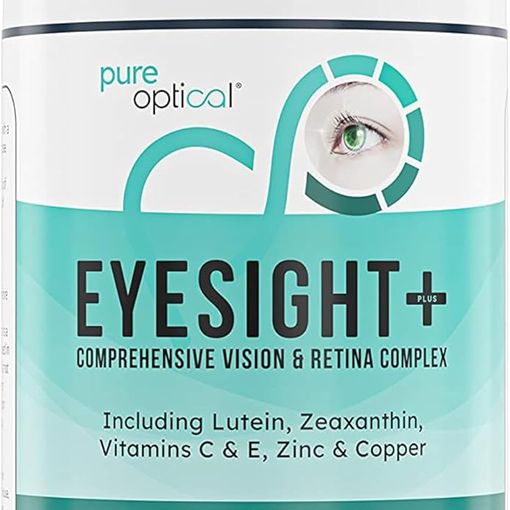
Each capsule supplies 10mg lutein and 2mg zeaxanthin, the exact amounts and 5:1 ratio tested in AREDS23. It is the only product here that mirrors the trial dose instead of multiplying it. The capsule also contains 25mg zinc oxide and 2mg copper oxide (the original AREDS formula used 80mg zinc and 2mg copper8), plus 100mg vitamin C, 50mg bilberry extract and 0.4mg vitamin E.
"AREDS2-inspired" is the brand's own wording, and it's accurate: vitamin C is 100mg where the original AREDS formula used 500mg, and vitamin E is 0.4mg where it used 400 IU8. So this isn't a copy of the clinical formulation. If an eye specialist has recommended an AREDS-type supplement for macular changes, ask which specific product they want you to take.
The AREDS2-Inspired Formula: All The Details
The bottle holds 60 vegan capsules, a two-month supply at one daily, made in the UK by Pure Optical, an eye care retailer founded in 2011 by optometrists and ophthalmologists according to the brand. Rice flour is used as a filler. The trade-off is cost: at the time of writing it's the second most expensive per day of the six, and its 4.1-star rating is the lowest in the group, which is why it ranks fourth despite having the best dose fidelity.
Health4All Lutein and Zeaxanthin 25mg
Best UK-Made Budget Pick — With a Labelling Caveat
based on 341 Amazon UK reviews (4.4★), adjusted for formulation quality
Why We're Cautious About the 25mg Headline
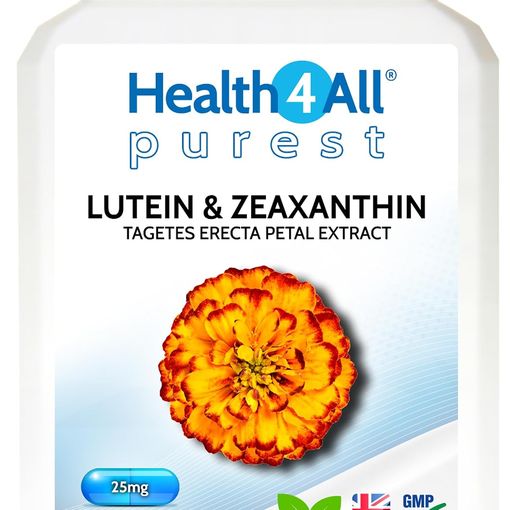
Health4All keeps things simple: one capsule of Tagetes erecta (marigold) petal extract daily, made in the UK to GMP standards, vegan and non-GMO. The catch is that "25mg" is one combined figure for lutein and zeaxanthin, so the listing doesn't let you see how much of each you're getting or compare it with the 10mg and 2mg studied in AREDS2. It's the labelling gap this guide keeps coming back to, and it's why the product scores low on dose and standardisation despite a 4.4-star rating from more than 300 reviews.
The 25mg Capsule: All The Details
The 120-capsule bottle is a four-month supply at one a day, and at the time of writing the second-lowest cost per day here. Ingredients are marigold petal extract and a vegetable cellulose capsule, with nothing else listed. Health4All is a family-owned Lancashire brand trading since 2005. If the brand can confirm the lutein and zeaxanthin split, this becomes a much easier product to recommend.
Horbaach Lutein and Zeaxanthin Supplement
Best High-Strength Tablet — Read the Serving Size
based on 207 Amazon UK reviews (4.2★), adjusted for formulation quality
What the Headline Number Really Means
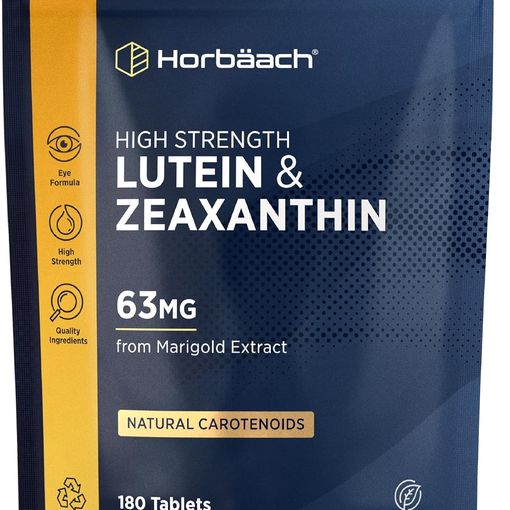
The listing title promises 60mg of lutein and 3mg of zeaxanthin, and the front of the pack shows "63mg from marigold extract". Both are the total for a daily serving of three tablets, so each tablet holds about 20mg lutein and 1mg zeaxanthin. Several buyers mention this in their reviews as a surprise. Once you know it, the label is reasonably informative: it names Tagetes erecta as the source and gives the two compounds separately, at a 20:1 ratio well above the AREDS2 amounts.
The Three-Tablet Serving: All The Details
The pouch holds 180 vegan tablets, which lasts 60 days at three a day rather than the six months the tablet count might suggest. Horbaach's listing talks about purity and potency in general terms without citing testing or certifications, and with about 200 reviews at 4.2 stars it has the smallest track record of the six. It suits someone who specifically wants tablets and doesn't mind taking three.
Reading the Label: Marigold Extract, Ratios and Esters
Marigold (Tagetes erecta) petals are the standard commercial source of lutein and zeaxanthin, but a marigold extract isn't naturally balanced like the AREDS2 formula. In one analysis of a commercial extract, about 93% of the content was usable pigment, made up of roughly 88% lutein and lutein esters and about 5% zeaxanthin7. That is around 18:1. Labels near 16:1 or 20:1 (Alpha01, Time Health and Horbaach) therefore look like an unadjusted marigold ratio, whereas a 5:1 ratio (Vegavero, Eyesight Plus) implies extra zeaxanthin has been added or an enriched extract used. Brands don't always say which. Bear in mind too that AREDS2 tested only one lutein-to-zeaxanthin combination, so it can't tell us whether 5:1 beats any other ratio.
Esters are the other term you'll see. Marigold extracts can contain lutein as esters as well as free lutein. In an 18-person crossover study, a lutein diester formulation was absorbed about 62% better than an unesterified one, and the authors concluded that esterification is no barrier to absorption and that how a formulation dissolves is an important factor9. A label that doesn't mention the form isn't necessarily hiding a weakness.
Three practical checks matter more than the ester question:
- Serving size. Vegavero is two capsules, Horbaach is three tablets, the others are one capsule.
- Separate figures. Prefer a label that gives lutein and zeaxanthin individually, ideally with the extract weight too.
- A meal with fat. Fat had a measurable effect on lutein uptake in a human trial4.
Some UK eye formulas also add meso-zeaxanthin, another carotenoid found in the macula5. AREDS2 tested only lutein and zeaxanthin, so none of its results apply to meso-zeaxanthin blends.
Who AREDS2 Actually Studied
AREDS2 randomised 4,203 people aged 50 to 85 who were at risk of progressing to advanced AMD, meaning large drusen (deposits under the retina) in both eyes, or large drusen in one eye and advanced AMD in the other. Participants received 10mg lutein plus 2mg zeaxanthin, omega-3 fatty acids (DHA and EPA), both, or placebo, on top of an AREDS-type formulation, and were followed for a median of five years3.
In the primary analysis, adding lutein and zeaxanthin did not produce a statistically significant further reduction in progression to advanced AMD (hazard ratio 0.90, 98.7% confidence interval 0.76 to 1.07; five-year progression 29% against 31% on placebo). The omega-3 arm didn't reach significance either; our omega-3 review covers other reasons people take fish oil. The reason lutein and zeaxanthin ended up in the updated AREDS2 formula is that beta carotene, which they replaced, was associated with more lung cancers, mostly in former smokers3.
The ten-year follow-up was more encouraging. Risk of late AMD was modestly lower with lutein and zeaxanthin than without (hazard ratio 0.91, 95% CI 0.84 to 0.99) and lower than with beta carotene (0.85, 0.73 to 0.98), while the odds ratio for lung cancer was 1.82 for beta carotene against a non-significant 1.15 for lutein and zeaxanthin6. That was an epidemiological follow-up in which everyone took lutein and zeaxanthin after the trial ended, so it supports the substitution more firmly than it proves an independent benefit. AREDS2 also examined cataract surgery and found no overall effect (hazard ratio 0.96), although people with the lowest dietary lutein and zeaxanthin intake did better with supplements (0.68, 0.48 to 0.96), a subgroup finding worth treating cautiously10.
What does that mean for you? If you're a healthy adult in your 20s, 30s or 40s, AREDS2 tells you little. If you're over 50 with intermediate AMD, the original 2001 AREDS trial concluded that people at that stage, without contraindications such as smoking, should consider an antioxidant-plus-zinc supplement, and it recommended dilated eye examinations for everyone over 558. Ask an optometrist or ophthalmologist which formula suits you.
Performance Lab Vision, listed first above, also uses these amounts. It isn't sold on Amazon UK, so its rating comes from Performance Lab's own site rather than Amazon; see our full review for the evidence behind its other ingredients, and our astaxanthin guide for how it compares on that side.
Blue Light and Screen Time: What the Trials Show
The mechanism is sound. Macular pigment absorbs blue light before it reaches the photoreceptors, and lutein and zeaxanthin also neutralise free radicals in the retina1. Marketing then leaps from that mechanism to an outcome, "protects your eyes from screens", and the trials we found are thinner than the leap suggests.
A systematic review of 46 studies in adults with healthy eyes found that macular pigment optical density (a measure of how much pigment sits in the macula) rose with supplementation: by 0.04 units at 5 to under 20mg a day and 0.11 units at 20mg or more, over 3 to 12 months. Intakes below 5mg a day, mostly from food, showed no significant change. The authors note that more research is needed to define what change in pigment matters for actual visual function5.
The most relevant outcome trial gave 70 adults who used screens for more than six hours a day either 10mg lutein and 2mg zeaxanthin isomers (a branded ingredient) or placebo for six months. Supplementation improved tear production, tear film break-up time and photostress recovery time compared with placebo. There were no differences in the self-reported measures (visual fatigue, computer vision symptoms, sleep quality, attention) or in contrast sensitivity11. A smaller crossover trial in India, with 60 completers using screens for eight or more hours a day, gave a 5:1 marigold complex at 10mg lutein and 2mg zeaxanthin twice daily. It reported higher macular pigment than placebo along with better contrast sensitivity and sleep quality12. Note the doubled dose, and that the two trials disagree on contrast sensitivity.
The fair summary for a healthy heavy screen user: supplements raise macular pigment, one trial hints at tear-film and glare-recovery benefits, and nothing we found shows they reduce the tired, strained feeling. Persistent eye strain deserves an eye test rather than a supplement guess.
Safety and Side Effects
Lutein and zeaxanthin have a good safety record at the doses studied. In the six-month screen-user trial (10mg lutein and 2mg zeaxanthin isomers daily) there were no serious adverse events and no clinically significant changes in liver, kidney, lipid or blood measures11. A review of lutein supplementation describes it as generally regarded as safe, with minimal side effects from long-term use2, and animal toxicology studies of lutein and of zeaxanthin found no adverse effects at very high doses13 14.
Two caveats apply. The outcome trials cited here used 10mg to 20mg lutein a day, so the 40mg to 60mg on several labels is above those amounts, even though higher doses raise macular pigment further5. And the extras matter: AREDS2 linked beta carotene, not lutein or zeaxanthin, with more lung cancers in former smokers3, and Vegavero's formula includes beta carotene. Vegavero and Eyesight Plus also contain zinc, so check your total intake if you take a separate zinc supplement (see our zinc review).
We found no dedicated safety data for high-dose supplements in pregnancy or breastfeeding, so speak to a pharmacist or doctor first. If you take regular medication, mention any new supplement to your pharmacist.
Best Lutein and Zeaxanthin Supplement FAQ
What are lutein and zeaxanthin, and what do they do? They are carotenoid pigments concentrated in the macula, where they filter some blue light and act as antioxidants1. Lutein and zeaxanthin (plus meso-zeaxanthin) are the only carotenoids found in the human macula, which is why they're the focus of eye-health research5.
Do lutein and zeaxanthin supplements prevent or treat AMD? Not on the primary evidence. AREDS2's primary analysis found no statistically significant extra benefit from adding them to the AREDS formula, although they proved a suitable replacement for beta carotene and the ten-year follow-up was modestly favourable3 6. See Who AREDS2 Actually Studied for the detail. Nothing in these trials suggests they reverse existing AMD.
Do they protect my eyes from screens and blue light? The filtering mechanism is real, and supplements raise macular pigment, but one six-month trial in heavy screen users found no improvement in self-reported eye strain11. See Blue Light and Screen Time above.
How much lutein and zeaxanthin should I take? AREDS2 and the six-month screen-user trial both used 10mg lutein and 2mg zeaxanthin daily3 11. Macular pigment rose more at 20mg a day and above5, and the products in this list run from 10mg to 60mg lutein a day. Check the per-serving amounts, because several headline figures cover two or three units.
Can I get enough from food instead? Egg yolks and dark green leafy vegetables are the classic sources2. The macular pigment review found no significant change from interventions below 5mg a day, which were mostly dietary, although its authors say the effect of food sources is less clear5. Food is a sensible baseline, and a supplement adds a much larger dose.
How long does it take to work? Macular pigment studies run 3 to 12 months and the screen-user trial ran six months, so give a supplement at least three months before expecting any measurable change5 11. This is not a same-week effect.
Can I take lutein and zeaxanthin with mushroom supplements or astaxanthin? We found no reported interaction between marigold carotenoids and mushroom extracts such as lion's mane, and they act through different routes, so many people take them together. Astaxanthin is another carotenoid often paired with eye-health formulas; see our astaxanthin guide.
Are they generally well tolerated? Yes, at typical doses. See Safety and Side Effects above for the beta carotene point and the higher-dose caveat.
The Best Lutein and Zeaxanthin Supplement for You
Performance Lab Vision is the best overall pick if you want the AREDS2 amounts in a complete, transparently labelled formula and accept a real price premium. Among the dedicated Amazon-sold products, Time Health is the best all-round pick: clear per-capsule doses, one capsule a day, UK-made and the top-rated of the six, though its 20:1 ratio isn't the one AREDS2 used. If you'd rather mirror the trial, Eyesight Plus is the only product here at 10mg lutein and 2mg zeaxanthin, and Vegavero keeps the 5:1 ratio at four times the amount alongside bilberry and zinc. Alpha01 is the value pick for a long supply, while Health4All and Horbaach are worth considering only once you've accounted for a combined 25mg figure or a three-tablet serving. Whichever you choose, take it with a meal that contains fat, give it several months, and remember that the strongest evidence is in older adults with existing macular changes rather than healthy screen users. For how lutein and zeaxanthin fit alongside the other eye-health ingredients, see our guide to the best supplements for eye health.
-
Lutein + zeaxanthin and omega-3 fatty acids for age-related macular degeneration: the Age-Related Eye Disease Study 2 (AREDS2) randomized clinical trial ↩︎ ↩︎ ↩︎ ↩︎ ↩︎ ↩︎ ↩︎ ↩︎ ↩︎ ↩︎
-
Amount of fat in the diet affects bioavailability of lutein esters but not of alpha-carotene, beta-carotene, and vitamin E in humans ↩︎ ↩︎ ↩︎
-
The Effect of Lutein/Zeaxanthin Intake on Human Macular Pigment Optical Density: A Systematic Review and Meta-Analysis ↩︎ ↩︎ ↩︎ ↩︎ ↩︎ ↩︎ ↩︎ ↩︎ ↩︎
-
Long-term Outcomes of Adding Lutein/Zeaxanthin and omega-3 Fatty Acids to the AREDS Supplements on Age-Related Macular Degeneration Progression: AREDS2 Report 28 ↩︎ ↩︎ ↩︎
-
Carotenoid composition of marigold (Tagetes erecta) flower extract used as nutritional supplement ↩︎ ↩︎
-
A randomized, placebo-controlled, clinical trial of high-dose supplementation with vitamins C and E, beta carotene, and zinc for age-related macular degeneration and vision loss: AREDS report no. 8 ↩︎ ↩︎ ↩︎
-
Esterification does not impair lutein bioavailability in humans ↩︎
-
Lutein/zeaxanthin for the treatment of age-related cataract: AREDS2 randomized trial report no. 4 ↩︎
-
The effects of lutein/ zeaxanthin (Lute-gen) on eye health, eye strain, sleep quality, and attention in high electronic screen users: a randomized, double-blind, placebo-controlled study ↩︎ ↩︎ ↩︎ ↩︎ ↩︎
-
Beneficial Effects of a Lutein-Zeaxanthin Complex on Macular Pigment Optical Density Levels of Healthy Individuals With Prolonged Screen Time ↩︎
-
Toxicity profile of lutein and lutein ester isolated from marigold flowers (Tagetes erecta) ↩︎
-
Zeaxanthin: Review of Toxicological Data and Acceptable Daily Intake ↩︎