


Best Electrolyte Supplement UK for Hydration

About the author...
Will founded Supermushrooms after digging into the research behind mushroom and nootropic supplements. Every pick is checked against clinical dosing, extract standardisation, and real buyer reviews, and each star rating starts from a product's real Amazon score before being adjusted for formulation quality. Read more about how ratings are calculated.
Table of contents
- Key Takeaways (TL;DR)
- How We Choose
- Quick Comparison
- SiS GO Hydro Electrolyte Tablets, Berry, 3 x 20 Tablets
- Precision Hydration Electrolyte Capsules, 15 Capsules
- Bulk Complete Electrolyte Powder, Unflavoured, 500g
- HIGH5 ZERO Electrolyte Tablets, Berry, 20 Tablets
- Nuun Sport Electrolyte Tablets, Mixed Flavours, 4 Tubes
- SaltStick Electrolyte Capsules, 100 Count
- Safety and Side Effects
- Best Electrolyte Supplement FAQ
- The Best Electrolyte Supplement for You
The best electrolyte supplement in the UK is currently SiS GO Hydro Electrolyte Tablets, praised for a sodium dose (345mg per tablet) formulated to the 30mmol/L concentration that hydration research shows outperforms plain water. See the comparison below for how five other well-reviewed alternatives stack up depending on how and when you sweat.
Electrolytes are the charged minerals, chiefly sodium, potassium, magnesium, calcium and chloride, that the body loses in sweat and needs to maintain fluid balance, nerve signalling and muscle contraction. Electrolyte supplements have become one of the fastest-growing categories on the UK supplement market, driven largely by gym-goers and endurance athletes looking to avoid the sugar load of traditional sports drinks. The problem is that most of what fills supermarket shelves under the "hydration" banner is a flavoured sugar solution with a token amount of sodium, nowhere near what sports science actually recommends for anyone sweating heavily.
The genuine differentiator between products in this category is not flavour or branding but the actual milligram content of sodium and potassium per serving, and whether that content is disclosed clearly enough to dose against real guidance. Look for a product that states exact electrolyte content on the label rather than a vague "electrolyte blend," sits close to the 500-1,000mg sodium per hour range used in sports nutrition research for prolonged exercise, and comes from a brand that discloses manufacturing standards. For most people doing a normal one-hour gym session, none of this matters much and plain water is fine; it matters for longer, hotter, or heavier-sweating efforts.
Key Takeaways (TL;DR)
- Check the sodium content in mg, not just the word "electrolyte" on the label, since many mainstream sports drinks contain a trivial amount.
- Sports science guidance targets 500-1,000mg sodium per hour during exercise lasting over 60 minutes in the heat.
- Tablets and capsules allow more precise dosing than sugary drink mixes, without the added carbohydrate load.
- Products with third-party sport certification (Informed Sport, Informed Choice, NSF Certified for Sport) offer extra assurance for competing athletes.
- Potassium and magnesium content varies widely between brands and matters alongside sodium, not instead of it.
- Most casual gym-goers doing under an hour of moderate exercise do not need supplemental electrolytes at all; water is enough.
- Benefits show up immediately during use rather than building over weeks, since the effect is direct fluid and mineral replacement, not a cumulative supplement effect.
How We Choose
Products were evaluated primarily on disclosed sodium and potassium content relative to the doses used in exercise hydration research, followed by manufacturing standards such as third-party sport testing, and value across pack sizes and formats. Products that hid their electrolyte content behind a proprietary blend name, or relied mainly on sugar and flavouring rather than meaningful mineral content, were not considered.
Quick Comparison
Each product's overall rating starts from its real Amazon UK customer rating, then gets adjusted (up to plus or minus 0.5) for sodium dose versus exercise research, electrolyte disclosure, manufacturing quality, and value. Click a product name to jump straight to its full review below.
| Product | Best For | Type | Serving | Electrolyte Dose |
|---|---|---|---|---|
|
SiS GO Hydro Electrolyte Tablets, Berry, 3 x 20 Tablets 5.0 |
Best overall, research-matched sodium dose | Effervescent Tablets | 1 tablet (345mg sodium) per 500ml water | 345mg sodium at the 30mmol/L concentration used in hydration research |
|
Precision Hydration Electrolyte Capsules, 15 Capsules 4.9 |
Best for personalised, heavy-sweat dosing | Capsules | 1 capsule (250mg sodium), scaled to sweat rate | 250mg sodium per capsule, dosed against individual sweat-test results |
|
Bulk Complete Electrolyte Powder, Unflavoured, 500g 4.7 |
Best value, highest sodium per serving | Powder | 1 scoop (approx. 517mg sodium, 153mg potassium) | 517mg sodium and 153mg potassium per serving, stated on pack |
|
HIGH5 ZERO Electrolyte Tablets, Berry, 20 Tablets 4.6 |
Most trusted UK brand, widest review base | Effervescent Tablets | 1 tablet (250mg sodium) per 750ml water | 250mg sodium per tablet, plus added Vitamin C |
|
Nuun Sport Electrolyte Tablets, Mixed Flavours, 4 Tubes (40 Servings) 4.8 |
Best flavour variety for daily hydration | Effervescent Tablets | 1 tablet (300mg sodium) per 473ml water | 300mg sodium per tablet, NSF Certified for Sport |
|
SaltStick Electrolyte Capsules, 100 Count 4.9 |
Best for frequent dosing on ultra events | Capsules | 1 capsule (215mg sodium) every 30-60 minutes | 215mg sodium per capsule, Informed Choice certified |
SiS GO Hydro Electrolyte Tablets, Berry, 3 x 20 Tablets
Best Overall
based on 8160 Amazon UK reviews (4.6★), adjusted for formulation quality
What We Love About the Research-Matched Dose
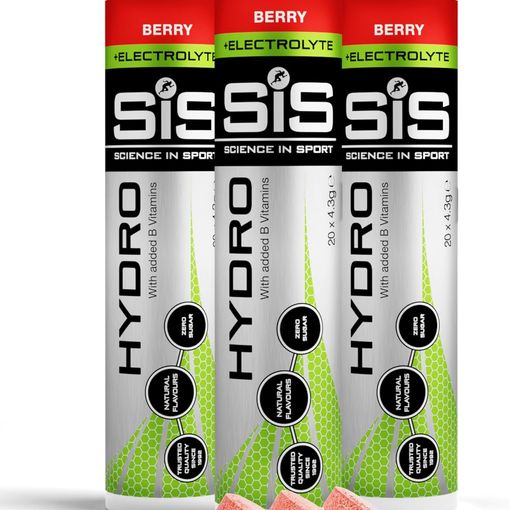
Science in Sport built this formula around a specific target: 30mmol per litre of sodium, the concentration that hydration studies have repeatedly shown retains more fluid than water alone. That works out to 345mg of sodium per tablet dissolved in 500ml, comfortably the highest sodium content of any tablet in this lineup. Over 8,000 reviews on Amazon UK back up a brand that has been making sports nutrition products since 1992, and the triple pack of tubes means you are not left short mid-training block.
SiS Hydro: All The Details
SiS GO Hydro Electrolyte Tablets come in a 3 x 20 tablet pack, each 4.3g tablet dissolving in 500ml of water. Per tablet: 345mg sodium, 65mg potassium, 269mg chloride, 102mg calcium, 8.1mg magnesium, plus B vitamins. Zero sugar, vegan, and gluten-free. Science in Sport is a UK sports nutrition brand based in Nelson, Lancashire, and its products undergo Informed Sport batch testing for banned substances, a standard used by professional cycling and athletics teams.
Precision Hydration Electrolyte Capsules, 15 Capsules
Best for Personalised Dosing
based on 855 Amazon UK reviews (4.6★), adjusted for formulation quality
What We Love About the Sweat-Test Approach
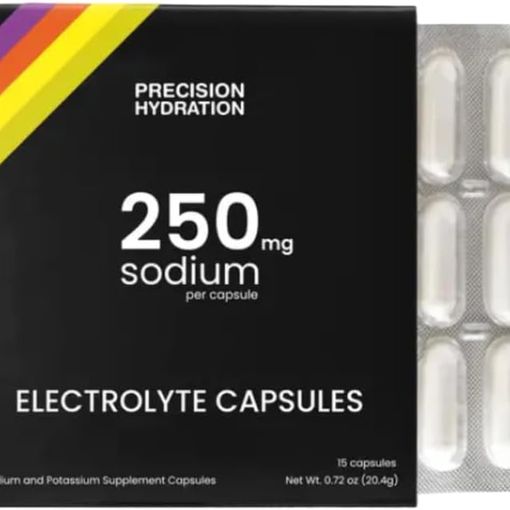
Precision Hydration takes a different route to everything else on this list. Rather than fixing one sodium concentration for everyone, the Brighton-based brand runs sweat sodium testing and publishes a dosing protocol so athletes can work out how many capsules per hour they actually need, anywhere from two for a light sweater up to six or more for someone who loses salt heavily. Each capsule holds a clean 250mg of sodium with no added flavouring or sugar, which makes the maths simple once you know your number.
Precision Hydration: All The Details
This pack contains 15 capsules in waterproof blister packaging, with 250mg of sodium and potassium per capsule. No artificial ingredients, gluten-free, and formulated to be digestion-friendly rather than causing the stomach upset some salt tablets produce at higher doses. Precision Hydration works closely with endurance and ultra-distance athletes, and the smaller pack size here suits runners and cyclists trialling the product before committing to a larger box for a specific event.
Bulk Complete Electrolyte Powder, Unflavoured, 500g
Best Value
based on 2933 Amazon UK reviews (4.3★), adjusted for formulation quality
What We Love About the Bulk Powder Pack
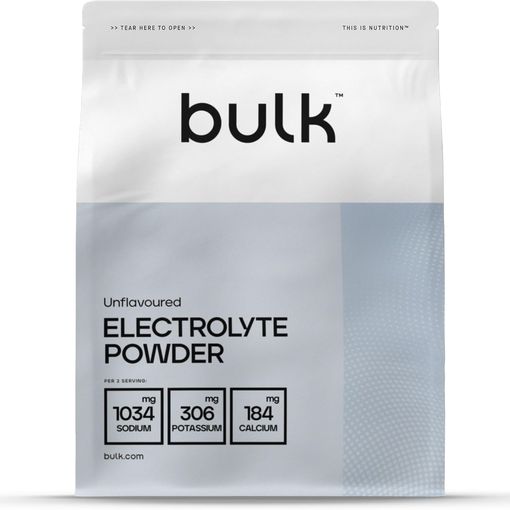
Bulk states its electrolyte content directly on the front of the pouch rather than burying it in small print, and the numbers are strong: 517mg sodium and 153mg potassium per single serving, ahead of every tablet or capsule product in this comparison. It is unflavoured, so you can mix it into a carbohydrate drink, plain water, or a homemade recovery shake without clashing flavours. This is the pick worth trying if you go through electrolytes quickly, whether that's regular long training sessions or working outdoors through summer.
Bulk Powder: All The Details
Bulk Complete Electrolyte Powder is sold unflavoured in a 500g pouch. Per 2-serving reference amount on the label: 1,034mg sodium, 306mg potassium, and 184mg calcium, so roughly 517mg sodium per single serving. Zero added sugar, under 10 calories per serving. Bulk is a UK-based sports nutrition brand, and this powder format gives the lowest cost per gram of sodium of any product reviewed here, at the expense of the convenience a pre-dosed tablet or capsule offers.
HIGH5 ZERO Electrolyte Tablets, Berry, 20 Tablets
Most Trusted UK Brand
based on 14216 Amazon UK reviews (4.5★), adjusted for formulation quality
What We Love About the Track Record
Over 14,000 Amazon UK reviews put HIGH5 ZERO ahead of every other electrolyte product in this comparison for sheer review volume, and that scale of feedback over many years is hard to fake. HIGH5 has been a fixture in UK club running and cycling circles for decades, and the tablets are genuinely calorie-free and sugar-free, with added Vitamin C. The sodium content sits at the lighter end of the products tested here, which suits everyday hydration and shorter sessions more than heavy summer endurance events.
HIGH5 ZERO: All The Details
Each 4g tablet dissolves in 750ml of water and delivers 250mg sodium, 70mg potassium, 56mg magnesium, 9mg calcium, and 28mg Vitamin C. Zero calories, zero sugar. HIGH5 is a UK sports nutrition brand based in Leicestershire, and the maximum recommended intake is three tablets per day. Worth pairing with a higher-sodium option like SiS Hydro or Bulk Powder if you're sweating heavily for more than an hour, since a single HIGH5 ZERO tablet alone falls short of the hourly sodium range used in exercise research.
Nuun Sport Electrolyte Tablets, Mixed Flavours, 4 Tubes
Best Flavour Variety
based on 1691 Amazon UK reviews (4.5★), adjusted for formulation quality
What We Love About the Mixed-Flavour Pack
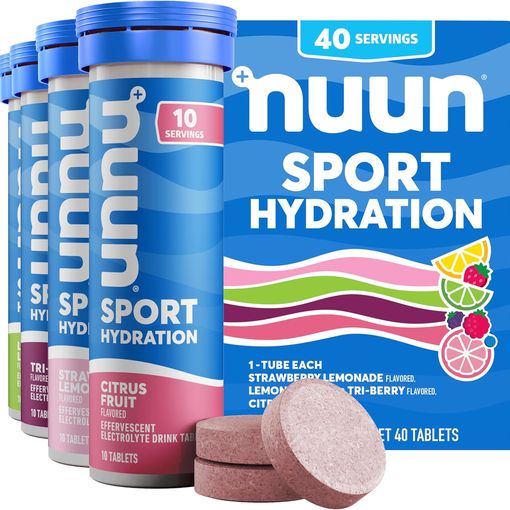
Nuun ships this pack with four different flavours across the tubes, strawberry lemonade, lemon lime, tri-berry, and citrus fruit, which keeps daily hydration from getting monotonous in a way single-flavour tubes don't. The brand carries NSF Certified for Sport status, a US-based testing standard that screens for banned substances and is recognised by several major sports leagues. At 300mg sodium and 150mg potassium per tablet, the dose sits comfortably in the middle of the pack tested here.
Nuun Sport: All The Details
This pack includes four tubes of 10 tablets each, 40 servings total. Each 5.5g tablet, mixed into roughly 473ml of water, provides 300mg sodium, 150mg potassium, 25mg magnesium, 13mg calcium, and 40mg chloride, at 15 calories and 2g carbohydrate. Gluten-free and vegan. Nuun is a US brand widely stocked on Amazon UK and used across recreational and competitive running and cycling communities.
SaltStick Electrolyte Capsules, 100 Count
Best for Ultra-Endurance Events
based on 202 Amazon UK reviews (4.6★), adjusted for formulation quality
What We Love About the Full Mineral Spread
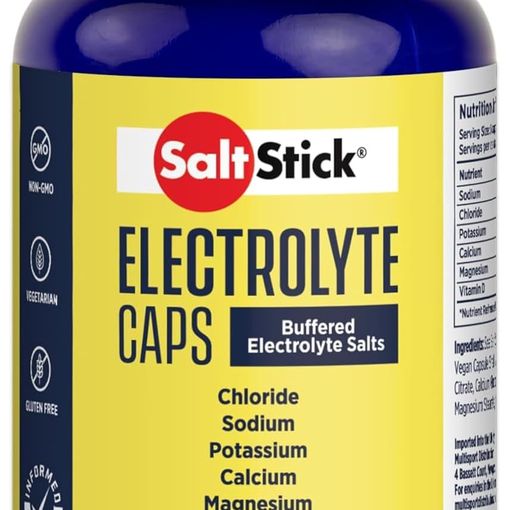
SaltStick covers more of the electrolyte panel than most competitors, with sodium, potassium, calcium, and magnesium all present in every capsule, alongside a small dose of Vitamin D3. It carries Informed Choice certification, the same anti-doping batch testing standard used by many professional endurance teams, and the dosing protocol (one capsule every 30 to 60 minutes during activity) is built specifically around ultra-distance events where hours of steady sweat loss add up. The 100-count bottle lasts a long time even for someone training for multiple long events across a season.
SaltStick: All The Details
Each vegetarian capsule contains 215mg sodium, 63mg potassium, 22mg calcium, 11mg magnesium, 349mg chloride, and 2.5mcg (100 IU) Vitamin D3. Non-GMO, gluten-free, and Informed Choice certified for banned substance testing. SaltStick is a US brand distributed in the UK through multisport retailers, and its capsule format is built for regular small doses across long efforts rather than a single large hit of sodium.
Safety and Side Effects
For most healthy adults using electrolyte products around exercise, the safety picture is reassuring — sodium supplementation at the concentrations used in sports drinks is well studied and specifically helps prevent exercise-associated hyponatremia (dangerously low blood sodium from over-hydrating), which shows up in an estimated 10-15% of marathon finishers.1 Getting sodium intake right during long events is a genuine safety measure, not just a performance one.
Potassium is generally safe too for healthy adults, but it's the one mineral in these products that needs a real caveat: people with kidney disease, or anyone on medication that affects potassium levels (certain blood pressure drugs, for example), can be genuinely harmed by excess potassium intake and should check with a GP before using a potassium-containing electrolyte product regularly. Anyone with high blood pressure or a heart condition should also check the sodium content specifically, since these products are formulated for people actively losing sodium through sweat, not as a general daily supplement.
Best Electrolyte Supplement FAQ
What exactly are electrolytes, and why do I lose them when I sweat?
Electrolytes are minerals that carry an electrical charge in the body, mainly sodium, potassium, magnesium, calcium, and chloride, and they are essential for nerve signalling, muscle contraction, and maintaining the right balance of fluid inside and outside cells. Sweat is not pure water; it carries a meaningful concentration of sodium and smaller amounts of potassium and other minerals out with it. Individual sweat sodium concentration varies enormously between people, from around 13 to over 100 mmol per litre in trained athletes, which is a large part of why a single fixed electrolyte dose doesn't suit everyone equally.2
Do I actually need an electrolyte supplement for a normal gym session?
For most people doing under an hour of moderate exercise in a temperate UK gym, no. Water alone replaces what is lost, and the body has enough electrolyte reserve to cover a short session without issue. Electrolyte supplementation becomes genuinely useful once exercise passes roughly 60 to 90 minutes, involves heavy sweating, happens in heat, or is repeated multiple times in a day, such as long runs, cycling sportives, hot yoga, or back-to-back training sessions. Outside of those situations, spending money on electrolyte tablets is mostly unnecessary.
Does sodium actually help you retain fluid better than plain water?
Yes, and this is one of the more consistently replicated findings in exercise physiology. A classic study on post-exercise rehydration found that a drink containing around 60mmol per litre of sodium was retained in the body significantly better than either plain water or a lower-sodium drink, because sodium slows the kidneys' urine output and keeps more of what you drink where it's needed.3 This is the mechanism behind why products like SiS GO Hydro deliberately formulate to a specific sodium concentration rather than adding a token amount for label appeal.
Can drinking too much water without electrolytes actually be dangerous?
Yes, in specific circumstances. Exercise-associated hyponatremia, a dangerously low blood sodium level, occurs when someone drinks more fluid than they lose in sweat over a long event, diluting their blood sodium. It shows up in an estimated 10 to 15% of marathon finishers tested at major races, and slower finishing times combined with high fluid intake are the clearest risk factors.1 This is a real argument for pairing fluid intake with adequate sodium during long events rather than simply drinking as much water as possible.
Do electrolytes prevent muscle cramps during exercise?
The evidence points to sodium specifically playing a role, though it does not eliminate cramping for everyone. A controlled trial found that drinking an electrolyte beverage raised the electrical stimulation threshold needed to trigger a cramp compared to water, meaning participants could push further before cramping occurred, though it didn't prevent cramps outright in every case.4 Potassium and calcium have weaker supporting evidence for cramp prevention specifically, which is why sodium content is the figure worth prioritising on a label.
Is more potassium in an electrolyte product always better?
More potassium is not harmful for most healthy adults, and dietary potassium has separately been linked to lower blood pressure in dose-response research.5 But sweat loses far less potassium than sodium relative to what's stored in the body, so it's a secondary factor rather than the main variable to optimise for during exercise. Products like Bulk Powder and Nuun Sport that state clear potassium content alongside sodium give a fuller picture than sodium-only products, but sodium remains the figure to check first.
How do electrolyte supplements fit alongside creatine or magnesium supplements?
They address different, complementary needs rather than overlapping. Creatine supports the phosphocreatine energy system inside muscle cells and is typically taken daily regardless of training volume, while electrolytes are situational, needed around specific bouts of heavy sweating rather than as a constant daily dose. If your goal is broader daily magnesium intake for sleep or general deficiency correction rather than sweat replacement specifically, Magnesium Glycinate is a better-absorbed, higher-dose option than the small amounts found in most electrolyte tablets. Our energy and fatigue guide covers where electrolytes fit alongside adaptogens and mitochondrial support for people dealing with exercise-related tiredness specifically.
What's the best way to take electrolyte tablets or capsules during exercise?
Products designed around continuous fluid intake, such as SiS GO Hydro, Nuun Sport, or HIGH5 ZERO, are dissolved in your water bottle and sipped steadily through a session. Capsule-based products like Precision Hydration and SaltStick are swallowed with water at set intervals, which suits people who want to keep their sodium intake precise and separate from how much plain water they're drinking. Starting a session already reasonably hydrated, then supplementing from around the 45 to 60 minute mark onward for anything longer, matches how most of the research in this area is structured.
The Best Electrolyte Supplement for You
SiS GO Hydro earns the top spot for matching its sodium dose to what hydration research actually recommends, backed by a huge base of UK reviews and Informed Sport testing. Precision Hydration and SaltStick suit anyone training for longer endurance events who wants a capsule format and a dosing protocol built around individual sweat loss, while Bulk's powder delivers the highest raw sodium content per serving at the most accessible price point in this lineup. HIGH5 ZERO and Nuun Sport are the better fit for everyday hydration and shorter sessions where a lighter, more palatable dose makes sense. Whichever you choose, check the sodium figure on the label before you buy, and remember that for most casual training under an hour, water alone still does the job.
-
The incidence, risk factors, and clinical manifestations of hyponatremia in marathon runners ↩︎ ↩︎
-
Interindividual variability in sweat electrolyte concentration in marathoners ↩︎
-
Electrolyte beverage consumption alters electrically induced cramping threshold ↩︎
-
Potassium Intake and Blood Pressure: A Dose-Response Meta-Analysis of Randomized Controlled Trials ↩︎