

Best Iron Supplement UK for Women

About the author...
Will founded Supermushrooms after digging into the research behind mushroom and nootropic supplements. Every pick is checked against clinical dosing, extract standardisation, and real buyer reviews, and each star rating starts from a product's real Amazon score before being adjusted for formulation quality. Read more about how ratings are calculated.
Table of contents
- Key Takeaways (TL;DR)
- How We Choose
- Quick Comparison
- Solgar Gentle Iron (Iron Bisglycinate) 20mg, 180 Vegetable Capsules
- Igennus Clean Iron Bisglycinate 20mg with Vitamin C, 180 Tablets
- WeightWorld Iron Bisglycinate 28mg, 400 Tablets
- Spatone Natural Iron Supplement + Vitamin C, 28 Sachets, Apple Flavour
- Vitabiotics Feroglobin Original, 30 Capsules
- UKHealthHouse Iron Tablets 14mg, 240 Tablets
- Safety and Side Effects
-
Best Iron Supplement FAQ
- Why are UK women more likely to be iron deficient than men?
- What's the real difference between iron bisglycinate and ferrous sulphate or fumarate?
- Do lower-dose bisglycinate products actually work as well as high-dose traditional iron?
- How long does it take to correct iron deficiency with supplements?
- Should I take my iron supplement every day, or is that counterproductive?
- Does taking vitamin C alongside iron actually make a difference?
- Is it ever unsafe to take an iron supplement?
- Can I take an iron supplement alongside mushroom supplements or other nootropics?
- The Best Iron Supplement for You
The best iron supplement for women in the UK is currently Solgar Gentle Iron (Iron Bisglycinate) 20mg, valued for its well-tolerated chelated form and the deepest track record of real-world tolerability among gentle iron products. See the comparison below for how five other well-reviewed alternatives, spanning both gentle and traditional iron forms, stack up depending on your priorities.
Iron deficiency is one of the most common, and most under-diagnosed, nutritional shortfalls among UK women. Around 24% of adolescent girls and 12% of premenopausal women are iron deficient, driven mainly by monthly menstrual blood loss combined with diets that fall short of the 14.8mg daily iron requirement for women of reproductive age.1 Left uncorrected, low iron shows up as fatigue, breathlessness on mild exertion, hair thinning, poor concentration, and a general sense of running on empty — often well before it's low enough to be flagged as anaemia on a routine blood test.
Supplemental iron generally falls into two camps. Iron bisglycinate is a "chelated" form — iron bound to two glycine molecules — that resists breaking down into free ionic iron in the gut. That's significant because free ionic iron is the main cause of the constipation, nausea, and stomach cramping associated with older iron formulations. Traditional ferrous sulphate and ferrous fumarate are cheaper, well-studied, and effective, but a systematic review found ferrous sulphate causes significantly more gastrointestinal side effects than better-tolerated alternatives.2 Trials comparing the two directly have found ferrous bisglycinate at roughly half the elemental dose produces comparable results to standard ferrous sulphate, with meaningfully less digestive disruption.3 Neither form is objectively "better" for everyone: bisglycinate suits people who've struggled with iron before, while ferrous fumarate remains a perfectly reasonable, budget-friendly choice for those who tolerate it without issue.
One caveat matters more than any product comparison here: iron should never be supplemented indiscriminately. Unlike water-soluble vitamins, excess iron isn't easily excreted. Unnecessary long-term supplementation — particularly in men and postmenopausal women, who aren't the intended audience for this guide — carries a genuine risk of iron overload. In people with an undiagnosed genetic condition such as hereditary haemochromatosis, sustained high intakes have been linked to organ damage.4 If you suspect low iron because of fatigue, heavy periods, or a restricted diet, ask your GP for a ferritin blood test first, and only supplement at a dose and duration supported by your results and a healthcare professional's guidance.
Key Takeaways (TL;DR)
- Choose iron bisglycinate (chelated) if you've struggled with digestive side effects on standard iron before.
- Ferrous sulphate/fumarate is cheaper and well-studied, but causes significantly more GI side effects for many people.
- Check the elemental iron dose the product actually states, not just the compound weight.
- Never supplement iron indiscriminately — get a ferritin blood test first, since excess iron isn't easily excreted.
- Favour products with clear form and dose labelling, not vague "iron blend" claims.
- Favour manufacturing transparency and real Amazon UK review volume as quality signals.
How We Choose
We evaluated each product on elemental iron dose relative to the clinical evidence for correcting mild-to-moderate deficiency, the form of iron used and how it's chelated or buffered, manufacturing standards and label transparency, and value for money relative to the other products in this comparison. We looked for products that state their iron form and dose clearly, rather than hiding behind vague "iron blend" labelling.
Quick Comparison
Each product's overall rating starts from its real Amazon UK customer rating, then gets adjusted (up to ±0.5) for dose versus clinical research, iron form, manufacturing quality, and value. Click a product name to jump straight to its full review below.
| Product | Best For | Type | Serving | Form |
|---|---|---|---|---|
|
Solgar Gentle Iron (Iron Bisglycinate) 20mg, 180 Vegetable Capsules 4.9 |
Reliable gentle iron from an established brand | Capsules | 20mg (1 capsule) | Iron bisglycinate chelate, unbuffered |
|
Igennus Clean Iron Bisglycinate 20mg with Vitamin C, 180 Tablets 4.9 |
Fast absorption via vitamin C and targeted release | Tablets | 20mg (1 tablet) | Bisglycinate with targeted release and vitamin C |
|
WeightWorld Iron Bisglycinate 28mg, 400 Tablets 4.9 |
Highest bisglycinate dose at the best long-term value | Tablets | 28mg (1 tablet) | High-dose bisglycinate chelate |
|
Spatone Natural Iron Supplement + Vitamin C, 28 Sachets, Apple Flavour 4.6 |
Gentlest liquid iron for sensitive stomachs and pregnancy | Liquid/Tincture | 5mg (1 x 25ml sachet) | Natural ferrous iron in spring water |
|
Vitabiotics Feroglobin Original, 30 Capsules 4.6 |
UK's best-known traditional iron with B-vitamin support | Capsules | ~17mg (1 capsule) | Slow-release ferrous fumarate with B12 and folic acid |
|
UKHealthHouse Iron Tablets 14mg, 240 Tablets 4.4 |
Most affordable standard-dose ferrous fumarate | Tablets | 14mg (1 tablet) | Standard ferrous fumarate, no chelation |
Solgar Gentle Iron (Iron Bisglycinate) 20mg, 180 Vegetable Capsules
Best Overall — Trusted Bisglycinate for Sensitive Stomachs
based on 10308 Amazon UK reviews (4.6★), adjusted for formulation quality
What We Love About the Trusted Bisglycinate Pick
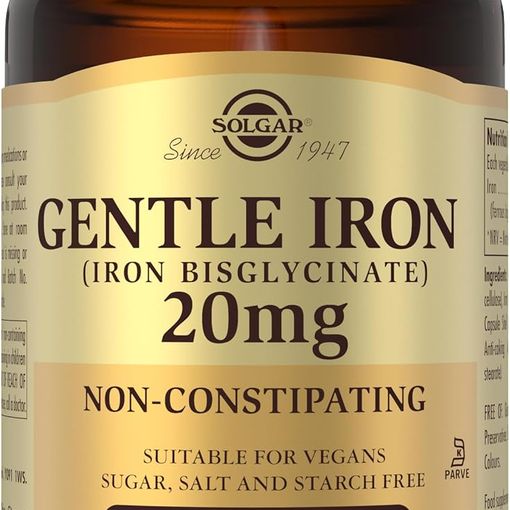
Solgar has been formulating supplements since 1947, and Gentle Iron reflects that maturity: a single, clearly labelled 20mg dose of iron bisglycinate with nothing to decode on the ingredients panel. The "non-constipating" claim on the label isn't just marketing copy — iron bisglycinate's amino-acid chelation genuinely sidesteps the free-iron-ion irritation responsible for the constipation and nausea that put so many people off standard iron tablets.2 With over 10,000 UK ratings and a 4.6-star average, it has more real-world tolerability evidence behind it than almost any other iron supplement on Amazon UK. It's a straightforward, no-frills product, and that simplicity is exactly the point for anyone who has tried iron before and given up because of how it made them feel.
Solgar Gentle Iron: All The Details
Each vegetable capsule provides 20mg of iron as iron bisglycinate, a chelated compound in which iron is bound to two glycine molecules. The 180-capsule bottle covers roughly six months at the standard one-a-day dose. Solgar's manufacturing process is vegan, gluten-free, and free from sugar, starch, salt, and artificial colours or preservatives. There's no added vitamin C in this particular formula, so pairing it with a vitamin-C-rich drink or food at mealtimes will help absorption.
Igennus Clean Iron Bisglycinate 20mg with Vitamin C, 180 Tablets
Best for Absorption — Targeted-Release Bisglycinate with Vitamin C
based on 1617 Amazon UK reviews (4.5★), adjusted for formulation quality
What We Love About the Targeted-Release Formula
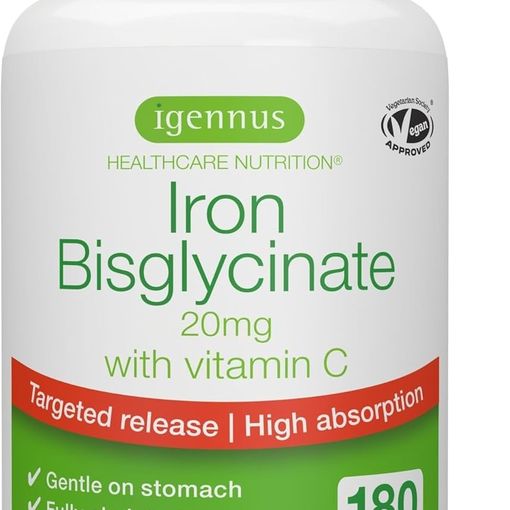
Igennus pairs the same 20mg bisglycinate dose with added vitamin C and what the brand calls targeted-release technology, designed to release iron further down the digestive tract where there's less contact irritation higher up. Iron bisglycinate already absorbs several times more efficiently than ferrous sulphate gram for gram. The added vitamin C pushes that further, helping convert any residual ferric iron to the more absorbable ferrous form.5 Reviewers frequently mention taking it on an empty stomach without the nausea that stopped them finishing a course of standard iron tablets. It's manufactured to GMP standard in the UK by nutrition scientists, with a clean label free of silicon dioxide, magnesium stearate, and titanium dioxide, additives some sensitive users prefer to avoid entirely.
All The Details on the Igennus Formula
One tablet delivers 20mg iron bisglycinate plus vitamin C, formulated with targeted-release technology. The 180-tablet bottle is a six-month supply at one tablet daily. It's vegan, hypoallergenic, and manufactured in the UK under GMP conditions, positioned specifically for anaemia and fatigue management.
WeightWorld Iron Bisglycinate 28mg, 400 Tablets
Best High-Dose Bisglycinate — Longest Supply for the Money
based on 12431 Amazon UK reviews (4.5★), adjusted for formulation quality
What We Love About the High-Dose Bisglycinate
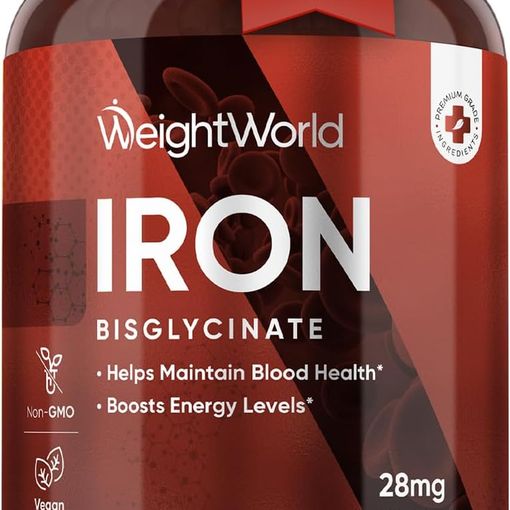
At 28mg per tablet, WeightWorld's formula sits at the upper end of the bisglycinate dose range covered in this guide, useful for anyone whose GP has confirmed a more significant deficiency and recommended a higher daily intake rather than a simple maintenance dose. The 400-tablet bottle is also the largest pack size here by a wide margin, lasting over six months even taken daily without a break. With over 12,000 reviews and a 4.5-star average, it has the deepest track record of any product in this comparison, and reviewers repeatedly describe the tablets as small and easy to swallow, a genuine consideration for a supplement taken every day for months on end.
WeightWorld: All The Details
Each tablet provides 28mg of iron as ferrous bisglycinate. The bottle contains 400 vegan, non-GMO tablets, free from magnesium stearate. There's no added vitamin C, so combine with a vitamin-C source at mealtimes for the best absorption. Suitable for long-term daily use at the dose recommended by a healthcare professional.
Spatone Natural Iron Supplement + Vitamin C, 28 Sachets, Apple Flavour
Best Liquid — Gentlest Option for Sensitive Stomachs and Pregnancy
based on 5953 Amazon UK reviews (4.7★), adjusted for formulation quality
What We Love About the Liquid Iron Option
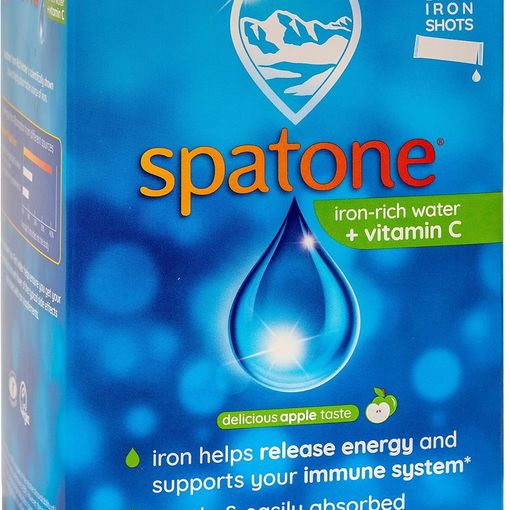
Spatone takes an entirely different approach: natural iron-rich water drawn from a spring in Snowdonia, blended with apple concentrate and vitamin C, with no tablet to swallow and no synthetic chelation involved at all. At only 5mg of iron per sachet, it delivers far less than the tablet-based options in this list, but the naturally occurring ferrous iron in the water is absorbed efficiently enough that less unabsorbed iron is left behind to irritate the gut. This is the product most frequently recommended for use during pregnancy in the UK, when two sachets a day is the typical guidance, precisely because it's gentle enough for an already-sensitive digestive system. If capsules and tablets have never agreed with you, or you want a gentle top-up rather than a correction dose, this is worth trying before anything stronger.
All The Details on the Spatone Sachets
Each 25ml sachet provides 5mg of natural iron plus vitamin C in apple-flavoured spring water. The pack contains 28 daily sachets, a 28-day supply at one a day, or two weeks' worth at the pregnancy guidance of two sachets daily. It contains only two core ingredients, iron-rich water and apple concentrate, and is vegan with no added sugar.
Vitabiotics Feroglobin Original, 30 Capsules
Best Trusted Traditional — Slow-Release Ferrous Fumarate with B Vitamins
based on 10891 Amazon UK reviews (4.6★), adjusted for formulation quality
What We Love About the Slow-Release Fumarate Blend
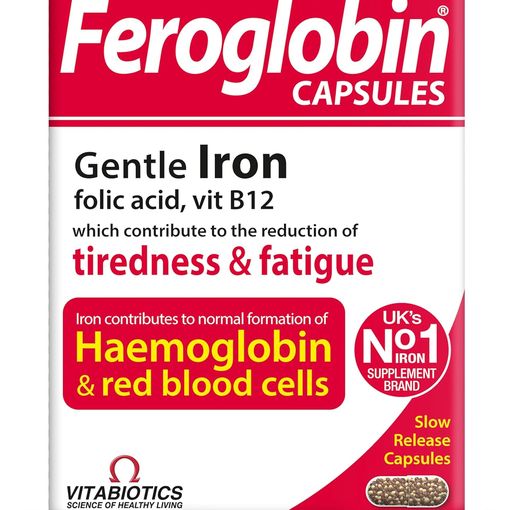
Feroglobin is the UK's best-known iron brand by a wide margin, and this original capsule formula uses a slow-release delivery system designed to release ferrous fumarate gradually rather than in one gut-irritating dose. Alongside iron, it includes folic acid, vitamin B12, vitamin B6, and zinc, all of which support red blood cell formation and the reduction of tiredness and fatigue through complementary pathways rather than iron alone. It's a more traditional, non-chelated form of iron than the bisglycinate options above, so it won't suit everyone with a genuinely sensitive stomach, but the slow-release mechanism and 10,000-plus reviews at a 4.6-star average suggest most users tolerate it comfortably. Worth a look if you want a multi-nutrient blood-support formula from an established name rather than a single-ingredient iron product.
Feroglobin: All The Details
Each capsule provides approximately 17mg of iron as ferrous fumarate in a slow-release pellet system, alongside folic acid, vitamin B12, vitamin B6, zinc, and copper. The pack contains 30 capsules, a one-month supply at one a day. It's free from artificial colours and preservatives; take with food for the best tolerance.
UKHealthHouse Iron Tablets 14mg, 240 Tablets
Best Budget Traditional — Standard-Dose Ferrous Fumarate
based on 110 Amazon UK reviews (4.4★), adjusted for formulation quality
What We Love About the Budget Ferrous Fumarate
This is the most straightforward, no-frills option in the lineup: 14mg of ferrous fumarate, exactly 100% of the EU nutrient reference value for iron, in a large 240-tablet pouch at an accessible price point. It doesn't have the chelation or targeted-release technology of the bisglycinate products above, and traditional ferrous fumarate is statistically more likely to cause the constipation and stomach upset those forms are designed to avoid, so anyone who has had bad experiences with iron before should probably start with a gentler product instead. For someone who tolerates standard iron tablets without issue and simply wants an affordable, long-lasting maintenance dose, though, this covers the basics reliably.
All The Details on the UKHealthHouse Tablets
Each tablet provides 14mg of iron as ferrous fumarate, 100% of the nutrient reference value. The resealable 240-tablet pouch lasts around eight months at one tablet daily. It's manufactured by UKHealthHouse, an established UK supplement company founded in 2008, and is suitable for vegetarians.
Safety and Side Effects
Iron isn't like water-soluble vitamins that the body simply excretes when levels are adequate; excess iron accumulates in tissues over time. Case reports describe iron overload developing in people who took supplements for prolonged periods without a confirmed deficiency, some of whom turned out to carry an undiagnosed genetic predisposition to haemochromatosis.4 This guide is written for people with a plausible reason to be low in iron, not as a case for everyone to start supplementing — get a ferritin blood test before committing to any of these products long-term.
Common short-term side effects at standard doses include constipation, nausea, and dark stools, which are harmless but worth expecting. Iron can also reduce absorption of certain antibiotics and thyroid medication if taken at the same time, so spacing doses by a few hours is sensible.
For a fuller breakdown of what's normal, what genuinely needs medical attention (including the accidental child-poisoning risk with iron tablets and the haemochromatosis contraindication), and how to manage day-to-day tolerability, see our dedicated guide to iron supplement side effects.
Best Iron Supplement FAQ
Why are UK women more likely to be iron deficient than men?
Menstrual blood loss is the main driver. Every monthly cycle removes iron the body then has to replace through diet or supplementation, so women of reproductive age need almost double the daily iron intake of adult men. Studies of UK women have found menstrual loss, alongside meat-restricted diets, to be the strongest predictors of low iron status. Deficiency affects a substantial minority of otherwise healthy women.1
What's the real difference between iron bisglycinate and ferrous sulphate or fumarate?
Iron bisglycinate chelates iron to two glycine molecules, which keeps it more stable through the stomach and reduces the amount of free ionic iron available to irritate the gut lining. Ferrous sulphate and fumarate are unchelated iron salts: cheap and effective, but a systematic review found ferrous sulphate causes significantly more gastrointestinal side effects than gentler alternatives.2 Bisglycinate isn't automatically the "correct" choice for everyone, but it's the sensible first option for anyone who has struggled with iron tablets in the past.
Do lower-dose bisglycinate products actually work as well as high-dose traditional iron?
Yes, in the research that's been done. A randomised trial in pregnant women found ferrous bisglycinate at roughly half the elemental iron dose of ferrous sulphate produced comparable outcomes for preventing deficiency and anaemia, with better tolerability.3 This is why several bisglycinate products in this comparison use 20-28mg doses rather than the 65mg+ elemental doses found in prescription-strength ferrous sulphate.
How long does it take to correct iron deficiency with supplements?
Most people notice an improvement in energy within two to four weeks, but fully replenishing the body's iron stores (ferritin) typically takes two to three months of consistent daily supplementation, sometimes longer for more significant deficiency. Stopping as soon as you feel better is a common mistake; ferritin repletion needs to be confirmed with a follow-up blood test, not guessed at from symptoms alone.
Should I take my iron supplement every day, or is that counterproductive?
For some people, daily dosing isn't actually optimal. Research on iron-depleted women found that dosing iron on alternate days, in a single morning dose, produced better overall absorption than splitting it into two daily doses. That's because iron itself triggers a temporary rise in a hormone called hepcidin, which blocks further absorption for several hours after each dose.6 This doesn't mean every product here should be taken every other day — follow the manufacturer's directions and your GP's advice — but if you're not tolerating daily dosing well, ask whether an alternate-day schedule might suit you better.
Does taking vitamin C alongside iron actually make a difference?
Yes, meaningfully so for non-haem iron (the type found in supplements and plant foods). Vitamin C converts iron from its less absorbable ferric form into the more absorbable ferrous form, and studies feeding ascorbic acid alongside iron-containing meals have shown a clear boost in absorption.5 This is why several of the bisglycinate products above include added vitamin C, and why pairing a vitamin-C-free iron supplement with a glass of orange juice or a vitamin-C-rich meal is a simple, free way to improve uptake.
Is it ever unsafe to take an iron supplement?
Yes, if you don't actually need it — see Safety and Side Effects above. This guide is written for women with a plausible reason to be low in iron, not as a case for everyone to start supplementing.
Can I take an iron supplement alongside mushroom supplements or other nootropics?
Generally yes, but timing matters more than with most supplement combinations. Polyphenols and tannins, found in coffee, black tea, and some mushroom extracts, can bind to iron in the gut and reduce absorption significantly if taken at the same time. Space iron doses at least two hours away from tea, coffee, calcium supplements, and polyphenol-rich extracts, and take it with a vitamin-C source instead for the best uptake.
The Best Iron Supplement for You
For most UK women who've had trouble tolerating iron in the past, a bisglycinate product like Solgar Gentle Iron or Igennus's targeted-release formula offers the clearest path to actually finishing a course without giving up from stomach upset. If you need a higher dose confirmed by your GP, WeightWorld's 28mg tablets cover that ground at excellent long-term value. Spatone's liquid sachets remain the gentlest option going for pregnancy or particularly sensitive stomachs. Feroglobin and UKHealthHouse's traditional ferrous fumarate formulas remain entirely reasonable choices for anyone who tolerates standard iron well and wants a trusted or budget-friendly option.
Whichever you choose, treat iron as a targeted correction rather than a routine daily vitamin. Get your ferritin checked, supplement with the form that suits your stomach, and revisit your blood work after a few months to confirm it's actually working.
-
Impact of menstrual blood loss and diet on iron deficiency among women in the UK ↩︎ ↩︎
-
Ferrous sulfate supplementation causes significant gastrointestinal side-effects in adults: a systematic review and meta-analysis ↩︎ ↩︎ ↩︎
-
Ferrous bisglycinate 25 mg iron is as effective as ferrous sulfate 50 mg iron in the prophylaxis of iron deficiency and anemia during pregnancy in a randomized trial ↩︎ ↩︎
-
Iron overload and prolonged ingestion of iron supplements: clinical features and mutation analysis of hemochromatosis-associated genes in four cases ↩︎ ↩︎
-
Effect of ascorbic acid on iron absorption from different types of meals ↩︎ ↩︎
-
Iron absorption from oral iron supplements given on consecutive versus alternate days and as single morning doses versus twice-daily split dosing in iron-depleted women ↩︎