

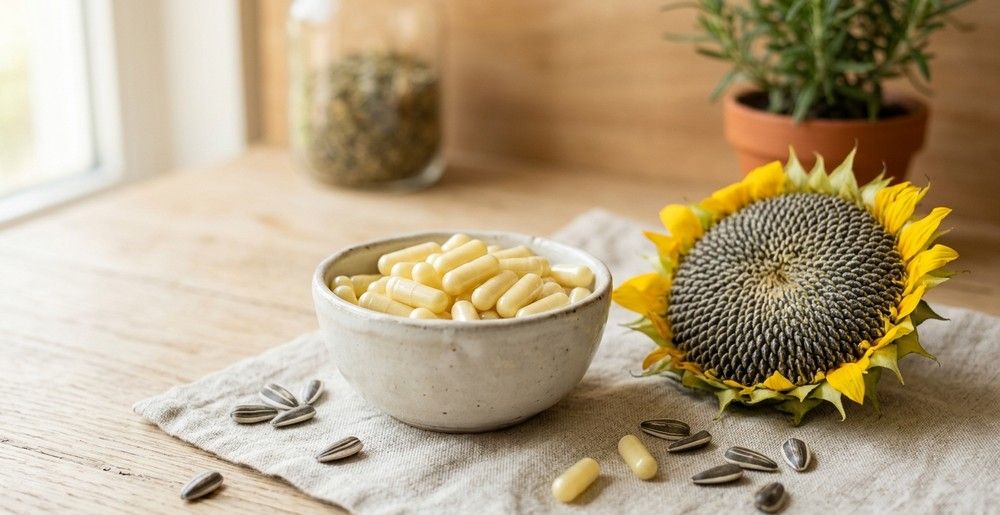
Best Phosphatidylserine UK for Memory & Focus

About the author...
Will founded Supermushrooms after digging into the research behind mushroom and nootropic supplements. Every pick is checked against clinical dosing, extract standardisation, and real buyer reviews, and each star rating starts from a product's real Amazon score before being adjusted for formulation quality. Read more about how ratings are calculated.
Table of contents
- Key Takeaways (TL;DR)
- How We Choose
- Quick Comparison
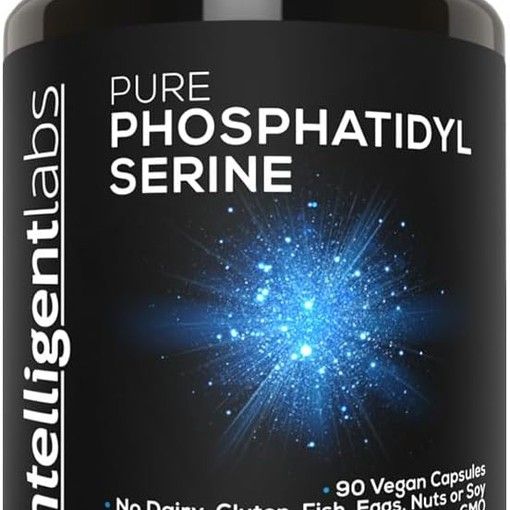
- Intelligent Labs Phosphatidylserine 100mg — 90 Capsules
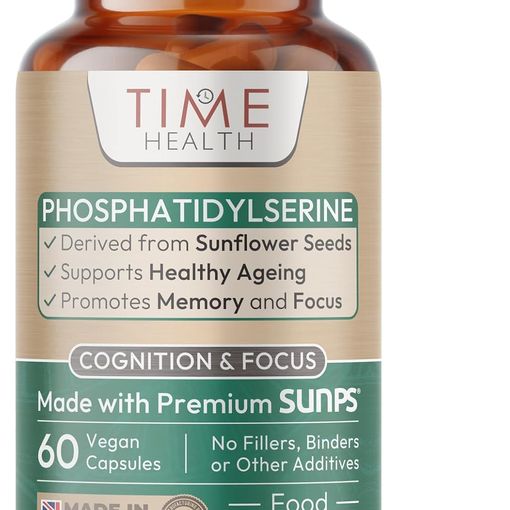
- Time Health Phosphatidylserine 160mg — SunPS®, 60 Vegan Capsules
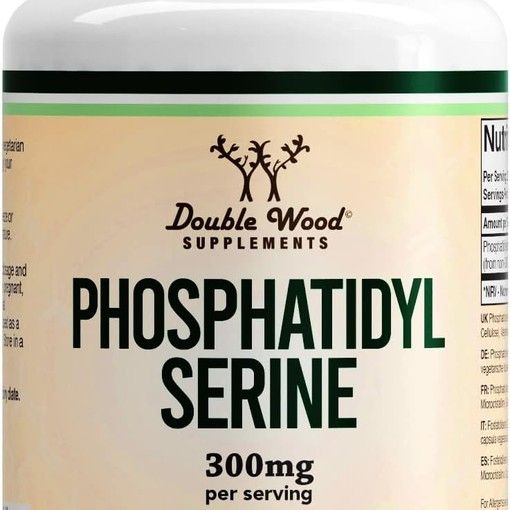
- Double Wood Phosphatidylserine — 90 Capsules
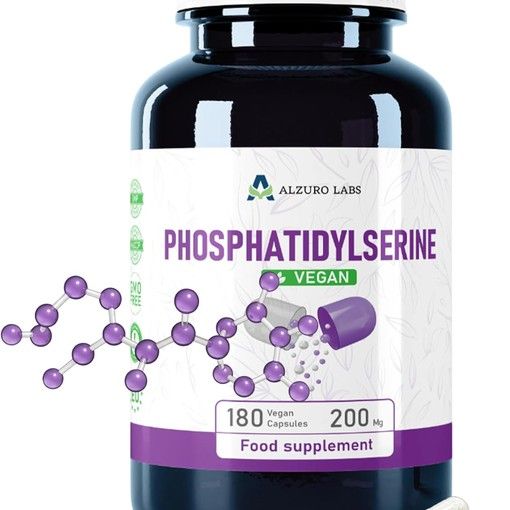
- Alzuro Labs Phosphatidylserine 200mg — 180 Vegan Capsules
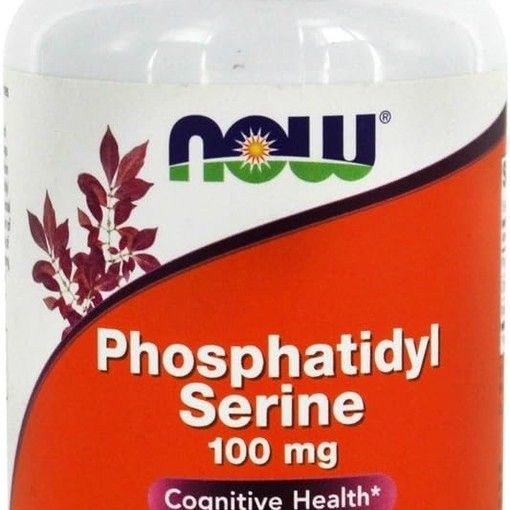
- NOW Foods Phosphatidyl Serine 100mg — 120 Veg Caps
- Swanson Phosphatidylserine 300mg — 90 Softgels
- Safety and Side Effects
- Best Phosphatidylserine Supplement FAQ
- The Best Phosphatidylserine Supplement for You
The best phosphatidylserine supplement in the UK is currently Intelligent Labs Phosphatidylserine 100mg, praised for being sunflower-derived and allergen-free. See the comparison below for how five other well-reviewed alternatives stack up depending on your priorities.
Phosphatidylserine (PS) is a phospholipid, a type of fat that's a key structural building block of nerve cell membranes. There, it helps manage calcium signalling, receptor function, and how neurotransmitters get released at the junctions between nerve cells. PS is one of the few nootropic supplements with an FDA-qualified health claim. In 2003, the US Food and Drug Administration acknowledged preliminary scientific evidence that PS may reduce the risk of cognitive decline in the elderly — a distinction that separates it from most brain health supplements on the market. That claim was based mainly on soy-derived PS, but the underlying mechanism is the same regardless of source: enough PS in nerve cell membranes supports the structural integrity and signalling that underpin memory, attention, and processing speed.
The strongest clinical evidence covers three separate areas. In randomised, double-blind trials, PS at 300mg per day produced real improvements in memory recall, verbal learning, and everyday cognitive function in older adults with age-related memory decline, with benefits appearing after eight to twelve weeks of use. Beyond cognition, PS consistently blunts the cortisol (stress hormone) response to both physical exercise and psychological stress — an effect that has attracted attention from endurance athletes and people dealing with chronically high cortisol. Research in trained athletes found that daily PS reduced post-exercise cortisol and markers of muscle damage without blunting the muscle-building hormonal response, making it a practical addition to a structured training programme.
When buying PS in the UK, the main decision is source material. Soy-derived PS was the first commercial form and underpins most of the early clinical research, but it carries a soy allergen warning and isn't suitable for people with soy sensitivities. Sunflower lecithin has become the preferred soy-free alternative — it produces chemically identical PS and now shows up in most premium formulations. Standard clinical doses run from 100mg to 300mg per day, typically split across two or three 100mg capsules taken with meals. Higher-dose products at 200mg or 300mg per capsule suit buyers who'd rather keep dosing simple.
Key Takeaways (TL;DR)
- PS carries an FDA-qualified health claim for reducing cognitive-dysfunction risk in the elderly — rare among nootropics.
- Choose sunflower-derived PS over soy-derived if you have a soy sensitivity; both forms are chemically identical.
- Clinical doses run 100-300mg/day, typically split across two or three capsules taken with meals.
- Memory and recall benefits appear after 8-12 weeks of consistent use in the supporting trials.
- PS also blunts cortisol response to exercise and stress, of interest beyond cognitive use cases.
- Check for confirmed PS concentration and clear sourcing on the label — avoid vague labelling.
How We Choose
Products were evaluated on source material (sunflower preferred; soy-derived noted where applicable), dose per capsule, third-party testing credentials, capsule count relative to price, and transparency of labelling on PS content and origin. Any product without confirmed PS concentration or with unclear sourcing was excluded.
Quick Comparison
Each product's overall rating starts from its real Amazon UK customer rating, then gets adjusted (up to ±0.5) for dose versus the clinical research, source material, manufacturing quality, and value. Click a product name to jump straight to its full review below.
| Product | Best For | Type | Serving | Source |
|---|---|---|---|---|
|
Intelligent Labs Phosphatidylserine 100mg 4.6 |
Sunflower-derived, allergen-free everyday PS | Capsules | 100mg | Sunflower-derived (soy-free) |
|
Time Health Phosphatidylserine 160mg (SunPS®) 4.7 |
Highest-dose sunflower-sourced option | Capsules | 160mg (SunPS®) | SunPS® sunflower-derived |
|
Double Wood Phosphatidylserine 4.9 |
Full 300mg research dose, third-party tested | Capsules | 300mg (3 capsules) | Soy-derived phospholipids |
|
Alzuro Labs Phosphatidylserine 200mg 5.0 |
Best value six-month supply, sunflower-derived | Capsules | 200mg | Sunflower-derived (soy-free) |
|
NOW Foods Phosphatidyl Serine 100mg 5.0 |
Full phospholipid complex with choline and inositol | Capsules | 100mg | Soy-derived phospholipid complex |
|
Swanson Phosphatidylserine 300mg 4.1 |
Budget softgel at full research dose | Softgels | 300mg (3 softgels) | Soy-derived phospholipids |
Intelligent Labs Phosphatidylserine 100mg — 90 Capsules
Best Overall — Sunflower-Derived, Allergen-Free
based on 174 Amazon UK reviews (4.2★), adjusted for formulation quality
What We Love About the Allergen-Free Overall Pick
Intelligent Labs built this formula around pure sunflower-derived phosphatidylserine, making it completely free from soy, gluten, and common allergens — an important practical point for plenty of UK buyers. Each capsule delivers 100mg of PS, the standard unit dose used in clinical trials, which gives precise control over daily intake: one capsule for general maintenance, two for a moderate top-up, or three to hit the 300mg dose that most cognitive and cortisol research uses. The brand is well regarded in the UK for transparent labelling and no unnecessary fillers, and the product has built up strong reviews over a sustained period on Amazon UK.
The Allergen-Free Overall Pick: All The Details
Intelligent Labs Phosphatidylserine 100mg provides 90 capsules per bottle (30-day supply at three capsules per day, or 90 days at one per day). Source: pure sunflower lecithin, 100% soy-free and allergen-free. No fillers or binders. Vegan capsule shell. Third-party tested for purity and potency. Intelligent Labs is a UK-based supplement brand focused on clean, single-ingredient formulations with clear sourcing disclosure.
Time Health Phosphatidylserine 160mg — SunPS®, 60 Vegan Capsules
Best Sunflower-Sourced Alternative — 160mg SunPS® Per Capsule
based on 123 Amazon UK reviews (4.4★), adjusted for formulation quality
What We Love About the 160mg SunPS® Alternative
Time Health's phosphatidylserine uses SunPS®, a branded sunflower-derived PS ingredient, at a meaningful 160mg per capsule — the highest per-capsule dose of the sunflower-sourced options in this list. Two capsules brings you close to the 300mg dose used in the original clinical research on cognitive performance and stress, while a single capsule still delivers a substantial daily amount for maintenance use.
Being sunflower-derived rather than soy-derived matters for anyone with a soy allergy or a general preference for allergen-free sourcing. The formula carries no fillers, binders, or other additives, in vegan capsules. It's a straightforward, clean-label pick for buyers who specifically want to avoid soy without compromising on dose.
All The Details on the 160mg SunPS® Alternative
Time Health Phosphatidylserine provides 160mg of SunPS® sunflower-derived phosphatidylserine per capsule. 60 vegan capsules per bottle. Soy-free. No fillers, binders, or other additives.
Double Wood Phosphatidylserine — 90 Capsules
Best High Dose — 300mg Per Serving, Third-Party Tested
based on 5948 Amazon UK reviews (4.5★), adjusted for formulation quality
What We Love About the 300mg High-Dose Pick
Double Wood designed this product for buyers who want the full 300mg research dose in one clearly defined daily serving. Each serving is three capsules, the bottle contains 90 capsules, so it works out to exactly 30 days at the full clinical dose. Third-party testing is standard across Double Wood's catalogue, with results from BRC/ISO accredited facilities. The formula is gluten-free and non-GMO, though it's derived from soy phospholipids — worth knowing if allergen-free sourcing is something you need.
This product is particularly well suited to anyone using PS for exercise recovery or cortisol management, where the 300mg dose is the one most consistently supported by the research.
The 300mg High-Dose Pick: All The Details
Double Wood Phosphatidylserine supplies 300mg of PS per serving (three capsules). 90 capsules per bottle, yielding a 30-day supply at full dose. Source: soy phospholipids. Gluten-free, non-GMO. Third-party tested for purity and potency at BRC/ISO accredited facilities. Manufactured in state-of-the-art US facilities.
Alzuro Labs Phosphatidylserine 200mg — 180 Vegan Capsules
Best Value — Six-Month Supply, Sunflower-Derived
based on 120 Amazon UK reviews (4.7★), adjusted for formulation quality
What We Love About the Six-Month Value Pack
A 180-capsule bottle is unusual for a PS product, and it translates directly into exceptional cost-per-dose. Each capsule delivers 200mg of pure phosphatidylserine from sunflower lecithin — soy-free, allergen-free, with nothing added beyond the active ingredient and the capsule shell. No fillers, no binders, no flow agents. It's made in a GMP-certified facility and independently lab tested for purity, potency, and label accuracy. At one capsule per day (200mg), the bottle gives a six-month supply. Alzuro Labs is a newer brand, but the formula's transparency and clean ingredient list are easy to evaluate without needing to rely on brand heritage.
All The Details on the Six-Month Value Pack
Alzuro Labs Phosphatidylserine 200mg provides 200mg of pure PS per vegan capsule, sourced from sunflower lecithin. 180 capsules per bottle (six-month supply at one capsule per day). Single-ingredient, no fillers or binders. Soy-free. GMP certified manufacturing. Independently 3rd-party lab tested for purity, potency, and label accuracy.
NOW Foods Phosphatidyl Serine 100mg — 120 Veg Caps
Best Phospholipid Complex — Includes Choline and Inositol
based on 11 Amazon UK reviews (4.8★), adjusted for formulation quality
What We Love About the Full Phospholipid Complex
NOW Foods is one of the longest-established natural supplement manufacturers in the world, running its own GMP facilities in the US with extensive in-house testing on every product line. Their PS formula differs from isolated-PS products: it supplies phosphatidylserine as part of the full phospholipid complex from soy lecithin, so each capsule also contains phosphatidylcholine, phosphatidylinositol, and other phospholipids that naturally occur alongside it. Whether that broader mix adds meaningful benefit beyond isolated PS is debated, but for buyers who prefer a whole-complex approach, this is the clear option here. 120 vegetarian capsules at 100mg per capsule, priced competitively for a brand with NOW's manufacturing reputation.
The Full Phospholipid Complex: All The Details
NOW Foods Phosphatidyl Serine provides 100mg of PS per vegetarian capsule within a soy lecithin phospholipid complex that also includes phosphatidylcholine and phosphatidylinositol. 120 veg caps per bottle. GMP certified, in-house quality tested. Soy-derived; not suitable for soy allergy sufferers. NOW Foods has manufactured dietary supplements since 1968 and is a well-known entity in both the UK and US supplement markets.
Swanson Phosphatidylserine 300mg — 90 Softgels
Best Budget Softgel — Full Research Dose, Lab Tested
based on 25 Amazon UK reviews (3.7★), adjusted for formulation quality
What We Love About the Budget Softgel
Swanson has been making supplements since 1969 and is well regarded in the budget-to-mid-range tier for consistent quality and independent lab verification. Their PS formula reaches the full 300mg research-backed daily dose across three softgels a day, and at 90 softgels per bottle that gives exactly 30 days at full dose. Some people find softgels easier to swallow than hard capsules, and Swanson's softgel production is generally reliable. It's sourced from soy phospholipids, so the usual allergen caveats apply. Gluten-free, non-GMO, and lab tested. Straightforward and priced for long-term regular use.
All The Details on the Budget Softgel
Swanson Phosphatidylserine provides 300mg of PS per daily serving (three softgels, each containing 100mg) derived from soy. 90 softgels per bottle (30-day supply at full dose). Lab tested for quality and purity. Gluten-free, non-GMO. No unnecessary additives. Swanson has manufactured supplements since 1969 and tests its products in independent laboratories.
Safety and Side Effects
Phosphatidylserine has a well-established safety record across both soy-derived and sunflower-derived forms, and the FDA has granted it Generally Recognized As Safe (GRAS) status. A placebo-controlled trial in elderly adults taking soy-derived phosphatidylserine for up to 12 weeks found it safe and well-tolerated, with the main effect noted being a slight reduction in blood pressure rather than any adverse symptom.1
At standard doses (100-300mg per day), reported side effects are uncommon and mild: occasional insomnia if taken close to bedtime (phosphatidylserine can be mildly stimulating for some people, so morning or early-afternoon dosing is generally preferred), and mild stomach upset in sensitive individuals, usually resolved by taking it with food. Because of its blood-pressure-lowering effect, anyone on blood pressure medication should check with their GP before adding it. Long-term safety data beyond a few months is limited, so treating multi-year continuous use with the same caution as any supplement without long-horizon trial data is sensible — periodic breaks are a reasonable approach if using it long-term.
Best Phosphatidylserine Supplement FAQ
What is phosphatidylserine and how does it work?
Phosphatidylserine is a phospholipid concentrated in nerve cell membranes, where it helps regulate signalling between cells, neurotransmitter release, and the activity of several membrane-bound enzymes. In supplement form, oral PS is absorbed and can become part of brain cell membranes within weeks of consistent use, with measurable effects on membrane function that have been directly linked to cognitive performance.2
Why does phosphatidylserine have an FDA-qualified health claim?
In 2003, the US FDA reviewed the available randomised controlled trial evidence and issued a qualified health claim, acknowledging that PS may reduce the risk of cognitive decline in the elderly. The FDA described the evidence as "very limited and preliminary," but this level of regulatory acknowledgement is rare for a dietary supplement, and it reflects a body of clinical data that was unusually solid for the category. No other phospholipid supplement holds the same status for cognitive health.
What does the clinical research say about PS and memory?
The most-cited trial enrolled 149 older adults with age-related memory impairment and found real improvements in memory tasks, verbal learning, and recall after twelve weeks of PS at 300mg per day, compared to placebo. Several follow-up studies have reported similar findings, consistently pointing to 300mg per day as the effective dose, and eight to twelve weeks as the minimum time before benefits show up.2
Does phosphatidylserine lower cortisol?
Yes. Studies show that ongoing PS supplementation blunts the cortisol response to both physical exercise and psychological stress. A trial published in the European Journal of Clinical Pharmacology found that daily PS significantly reduced the stress-induced rise in cortisol in healthy men, pointing to a direct effect on the body's central stress-response system.3 This effect has since been replicated in both lab and sports science settings.
Can PS support athletic recovery?
Evidence from sports science research suggests PS reduces post-exercise cortisol and markers of muscle damage in trained athletes. A 2008 study published in the Journal of the International Society of Sports Nutrition found that PS reduced the cortisol response to moderate-intensity cycling without lowering testosterone levels — a pattern consistent with better recovery without blunting the muscle-building hormonal response.4
What is the recommended daily dose of phosphatidylserine?
Clinical trials consistently used 300mg per day, generally split into three 100mg doses taken with meals for better absorption. The cortisol-blunting research has at times used doses up to 800mg per day. Most practitioners recommend starting at 100-300mg and adjusting based on how you respond. There's no established upper safety limit, but doses above 300mg per day show diminishing cognitive returns based on current data.
Is phosphatidylserine safe for long-term use?
Human trials have used PS safely for up to six months with no significant side effects. Old concerns about cow-brain-derived PS and BSE risk are historical and don't apply to the soy- or sunflower-derived products sold today. At typical doses, PS is well tolerated; mild digestive symptoms have occasionally been reported at higher doses. A 2015 review of PS and brain health confirmed a good overall safety profile for the commercially available formulations.5
Which supplements pair well with phosphatidylserine?
PS pairs logically with other phospholipid-based nootropics such as alpha-GPC or CDP-choline, which support acetylcholine production and complement PS's effect on nerve cell membranes. Lion's Mane mushroom, which stimulates nerve growth factor (NGF) production, is a sensible addition for a fuller brain health protocol. Research has also found synergies between PS and omega-3 fatty acids (EPA and DHA), which support nerve cell membrane health through a related but different mechanism.6
The Best Phosphatidylserine Supplement for You
Phosphatidylserine occupies a distinctive position in the nootropic category because the evidence behind it is unusually solid: double-blind randomised trials, a consistent mechanistic account, and an FDA-qualified health claim that no comparable supplement has achieved. For most UK buyers, the Intelligent Labs option represents the best balance of source quality (sunflower, allergen-free), dose precision, and price. Anyone committed to the full 300mg clinical dose will find Double Wood a reliable choice. Time Health offers the highest per-capsule dose among the sunflower-sourced, soy-free options here, and Alzuro Labs offers the strongest long-term value if a once-daily 200mg dose fits your protocol and sunflower sourcing is a priority.
-
Jorissen BL et al. Safety of soy-derived phosphatidylserine in elderly people. Nutr Neurosci. 2002. ↩︎
-
Crook TH et al. Effects of phosphatidylserine in age-associated memory impairment. Neurology. 1991. ↩︎ ↩︎
-
Monteleone P et al. Blunting by chronic phosphatidylserine administration of the stress-induced activation of the hypothalamo-pituitary-adrenal axis in healthy men. Eur J Clin Pharmacol. 1992. ↩︎
-
Starks MA et al. The effects of phosphatidylserine on endocrine response to moderate intensity exercise. J Int Soc Sports Nutr. 2008. ↩︎
-
Glade MJ, Smith K. Phosphatidylserine and the human brain. Nutrition. 2015. ↩︎
-
Kidd PM. Omega-3 DHA and EPA for cognition, behavior, and mood: clinical findings and structural-functional synergies with cell membrane phospholipids. Altern Med Rev. 2007. ↩︎