


Best Alpha Lipoic Acid Supplement UK for Nerve Support

About the author...
Will founded Supermushrooms after digging into the research behind mushroom and nootropic supplements. Every pick is checked against clinical dosing, extract standardisation, and real buyer reviews, and each star rating starts from a product's real Amazon score before being adjusted for formulation quality. Read more about how ratings are calculated.
Table of contents
- Key Takeaways (TL;DR)
- How We Choose
- Quick Comparison
- MultiVita R-Alpha Lipoic Acid 600mg
- Nutravita Alpha Lipoic Acid 650mg
- LongLifeNutri Stabilized R-Alpha Lipoic Acid 300mg
- Horbaach Advanced Alpha Lipoic Acid 900mg with Biotin
- Best Naturals Alpha Lipoic Acid 600mg
- Solgar Alpha Lipoic Acid 200mg
- Alpha Lipoic Acid for Nerve Pain: What the Evidence Shows
- Safety and Side Effects
- Best Alpha Lipoic Acid Supplement FAQ
- The Best Alpha Lipoic Acid Supplement for You
The best alpha lipoic acid supplement in the UK is currently MultiVita R-Alpha Lipoic Acid 600mg, which uses only the more bioavailable R-ALA form at the same 600mg dose studied in oral neuropathy trials. See the comparison below for how 5 other well-reviewed alternatives stack up depending on your priorities.
Alpha lipoic acid (ALA) is a naturally occurring antioxidant made in small amounts by the body and found in foods like spinach, broccoli and organ meats. What sets it apart from most other antioxidants is that it is both water- and fat-soluble, letting it work throughout the body rather than in one tissue type, and it plays a direct role in mitochondrial energy production. Most of the clinical interest in ALA centres on nerve health, particularly in the context of diabetic peripheral neuropathy, alongside its broader antioxidant role in recycling other antioxidants such as vitamin C, vitamin E and glutathione.
The detail that gets lost in most buying guides is that alpha lipoic acid exists as two mirror-image molecules, or enantiomers: R-ALA and S-ALA. Only the R form occurs naturally in the body and food, and it is generally considered more bioavailable and biologically active. Most commercial ALA is made synthetically as a racemic mix, roughly half R and half S, because pure R-ALA is harder to stabilise and costs more to produce. Very few UK Amazon listings actually say which form they contain, so working out whether a product is racemic or R-ALA-only is one of the more useful things you can do before buying.
Key Takeaways (TL;DR)
- R-ALA vs racemic ALA is the single biggest quality signal: R-ALA is the naturally-occurring, more bioavailable form, but most budget products don't disclose which one they use.
- 600mg is the dose used in most oral neuropathy trials, so check the per-serving amount against this benchmark rather than the total capsule count.
- A lower milligram figure isn't automatically weaker if it's stated as pure R-ALA rather than a 50/50 racemic blend.
- Third-party testing and GMP certification separate more rigorously made products from generic budget blends.
- Diabetic neuropathy evidence is genuine but oral doses show smaller effects than IV dosing in the clinical literature, so treat it as a complementary measure, not a replacement for medical care.
- Anyone on insulin or oral diabetes medication should be cautious, since ALA has its own blood-glucose-lowering effect.
- Most users taking ALA for general antioxidant support report noticing any subjective difference after 4 to 8 weeks of consistent use; neuropathy studies typically ran for several months.
How We Choose
We start from each product's genuine Amazon UK customer rating, then check the per-serving dose against the amounts used in published trials, whether the listing discloses R-ALA versus standard racemic ALA, and how transparent the brand is about manufacturing and testing. Value is judged relative to the other five products in this specific comparison, not the wider supplement market.
Quick Comparison
Each product's overall rating starts from its real Amazon UK customer rating, then gets adjusted (up to ±0.5) for dose versus clinical research, extract standardisation, manufacturing quality, and value. Click a product name to jump straight to its full review below.
| Product | Best For | Type | Serving | Form |
|---|---|---|---|---|
|
MultiVita R-Alpha Lipoic Acid 600mg 4.9 |
Pure R-ALA at the clinical 600mg dose, UK made | Capsules | 2 capsules (600mg R-ALA per serving) | R-ALA only, no racemic S-form included |
|
Nutravita Alpha Lipoic Acid 650mg 4.8 |
Best overall value with honestly labelled racemic form | Capsules | 1 capsule (650mg ALA per serving) | Standard racemic ALA, brand discloses 50% R-ALA / 50% S-ALA |
|
LongLifeNutri Stabilized R-Alpha Lipoic Acid 300mg 4.7 |
Highest-bioavailability stabilized R-ALA option | Capsules | 1 capsule (300mg stabilized Na-RALA per serving) | Stabilized sodium R-lipoate (Na-RALA), third-party tested |
|
Horbaach Advanced Alpha Lipoic Acid 900mg with Biotin 4.6 |
Highest raw dose for standard racemic ALA | Capsules | 1 capsule (900mg ALA plus 999mcg biotin) | Standard ALA, R/S form not disclosed on label |
|
Best Naturals Alpha Lipoic Acid 600mg 4.4 |
Budget option at the standard 600mg trial dose | Capsules | 1 capsule (600mg ALA per serving) | Standard ALA, R/S form not disclosed on label |
|
Solgar Alpha Lipoic Acid 200mg 4.3 |
Trusted heritage brand for a lower maintenance dose | Capsules | 1 capsule (200mg ALA per serving) | Standard ALA, R/S form not disclosed on label |
MultiVita R-Alpha Lipoic Acid 600mg
Best Overall: Pure R-ALA at the Clinical Dose
based on 65 Amazon UK reviews (4.5★), adjusted for formulation quality
What We Love About the Pure R-Form
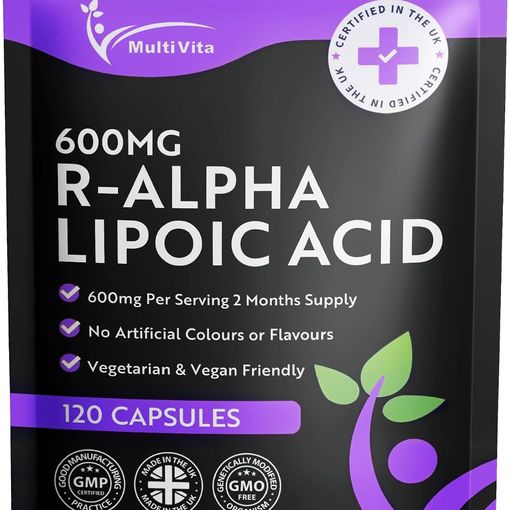
MultiVita states plainly on the label that this formula uses only the R form of alpha lipoic acid, with no synthetic S-ALA included. That matters because R-ALA is the form the body actually produces and recognises, and it is generally regarded as better absorbed than the racemic mix most competitors sell without saying so. Two capsules deliver 600mg of R-ALA, matching the dose used in the oral arm of the SYDNEY 2 diabetic neuropathy trial.1 The capsules also skip magnesium stearate and silicon dioxide, additives some buyers prefer to avoid.
Pure R-ALA: All The Details
The pouch supplies 120 vegan capsules, giving a two-month run at the stated two-a-day serving. Manufacturing takes place in the UK to GMP standards, and the product is labelled non-GMO. It has fewer reviews than some of the bigger-name brands in this comparison, though the ones it has are strongly positive, and it is the only product here combining a genuinely disclosed R-ALA-only formula with the 600mg dose most closely tied to the neuropathy research.
Nutravita Alpha Lipoic Acid 650mg
Best Value: Honestly Labelled Racemic ALA
based on 4392 Amazon UK reviews (4.5★), adjusted for formulation quality
Why Its Transparency Stands Out
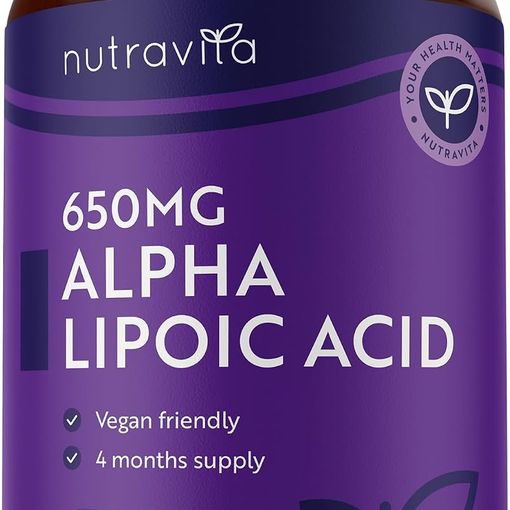
Nutravita's listing states plainly that this is a standard racemic mix, split roughly 50% R-ALA and 50% S-ALA. That is not the premium form, but the willingness to say so is worth more than it sounds: most competitors at this price point simply write "Alpha Lipoic Acid" and leave you guessing. With over 4,000 reviews and a rating that has held up at scale, it is by a wide margin the most-reviewed product in this comparison, and the single 650mg capsule clears the standard oral dose used in neuropathy research.
Racemic ALA at Scale: The Specifics
Each bottle holds 120 vegan capsules for a four-month supply at one capsule a day, which puts it well ahead of most rivals on cost per month even before considering how frequently it is bought. Nutravita manufactures in the UK and states each ingredient batch and the finished product go through quality testing before release. It is free from synthetic colours and flavours, and the capsule shell is vegan.
LongLifeNutri Stabilized R-Alpha Lipoic Acid 300mg
Best High-Bioavailability R-ALA Formula
based on 178 Amazon UK reviews (4.4★), adjusted for formulation quality
The Case for Stabilized Na-RALA
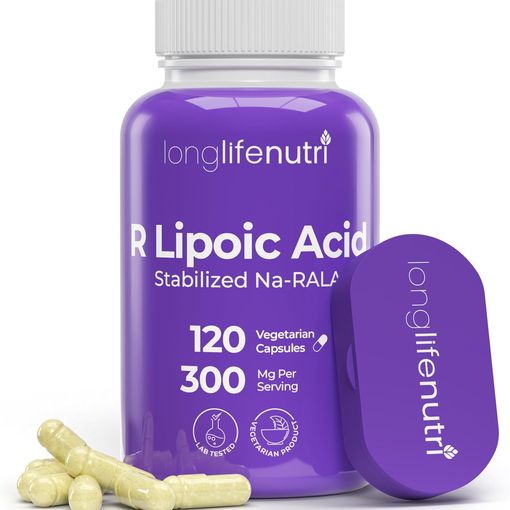
Plain R-ALA is chemically unstable and tends to degrade quickly, which is one reason many brands skip it entirely in favour of the cheaper racemic form. LongLifeNutri gets around this by using the sodium salt, Na-RALA, a stabilised version of R-lipoic acid that keeps better and absorbs more predictably. Published pharmacokinetic work on sodium R-lipoate has shown meaningfully higher blood levels of the active R form compared with plain, uncomplexed R-ALA taken orally.2 At 300mg per capsule, the dose is lower than the racemic products here, but because it is pure R-ALA rather than a 50/50 mix, the effective active dose is closer to the others than the label alone suggests.
Stabilized R-ALA: What's Actually in the Bottle
The bottle contains 120 vegetarian capsules, a four-month supply at one capsule daily. LongLifeNutri manufactures in a GMP-certified US facility and states every batch undergoes third-party testing, which is a genuine point in its favour given how unregulated the wider ALA market can be on label accuracy. If you want the science-backed R-ALA form without the higher price of some specialist nootropics brands, this is a reasonable middle ground.
Horbaach Advanced Alpha Lipoic Acid 900mg with Biotin
Best High-Dose Racemic Option
based on 843 Amazon UK reviews (4.4★), adjusted for formulation quality
Why the Raw Dose Here Is Notable
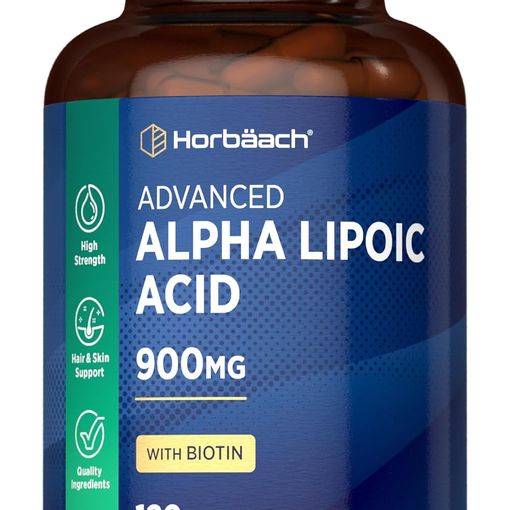
A single capsule delivers 900mg of ALA, well above the 600mg used in most published neuropathy trials, plus 999mcg of biotin. The label does not state whether this is R-ALA, S-ALA or a racemic blend, so it is safest to assume the standard synthetic mix used across most of the supplement market. Biotin is included as a general wellness add-on rather than for any specific interaction with lipoic acid, and the two nutrients don't have a well-established synergistic mechanism beyond both supporting normal metabolism.
High-Dose Blend: The Specifics
The 120-capsule bottle runs for four months at one capsule daily. Horbaach notes its packaging is being updated, so the bottle received may not match the product photo exactly, though the brand states the formula itself is unchanged. There is less public detail here on independent batch testing than with some of the more specialist brands in this list, which is reflected in a more cautious manufacturing score, but the sheer dose makes it a straightforward pick for anyone who simply wants more milligrams per capsule.
Best Naturals Alpha Lipoic Acid 600mg
Best Budget Pick at the Standard Trial Dose
based on 691 Amazon UK reviews (4.3★), adjusted for formulation quality
Why This Sits at the Accessible End
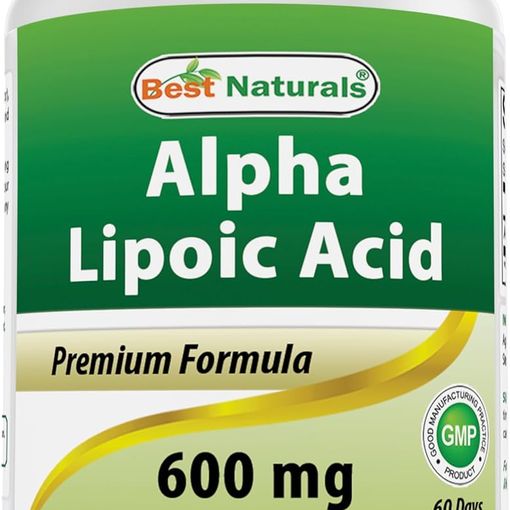
One capsule provides exactly 600mg of ALA, landing squarely on the dose most repeated across the neuropathy trial literature. As with Horbaach and Solgar, the listing doesn't specify R-ALA versus racemic, so treat it as a standard synthetic blend. Best Naturals leans on a long ingredient exclusion list instead, free from common allergens, artificial colours, and sweeteners, which appeals to buyers who want a plain, no-frills capsule.
Standard 600mg Dose: What You Get
The bottle holds 60 capsules, a two-month supply at one a day. Manufacturing is GMP-certified and based in the US, with the brand stating every batch is third-party lab tested for purity and potency. It won't match the R-ALA products on bioavailability, but for anyone who simply wants the studied 600mg dose without paying for a specialty formulation, it does the job at the most accessible price point in this lineup.
Solgar Alpha Lipoic Acid 200mg
Best Trusted Brand for a Lower Maintenance Dose
based on 1124 Amazon UK reviews (4.4★), adjusted for formulation quality
A Heritage Brand's Lighter-Touch Formula
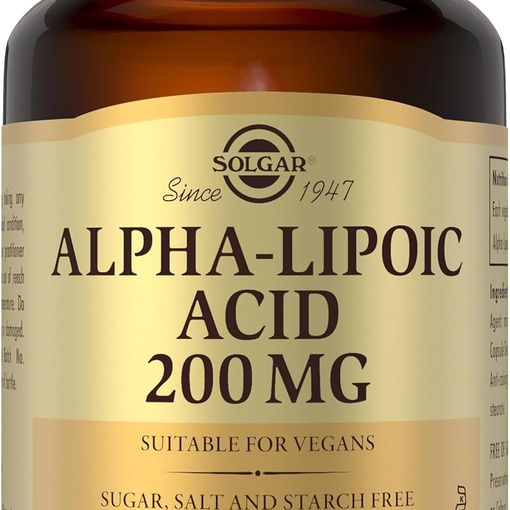
Solgar has been making vitamins and supplements since 1947, and this capsule reflects that older, simpler approach: a single 200mg dose of standard alpha lipoic acid, sold in amber glass for stability and shelf life, with no proprietary form or added ingredients. It sits well below the 600mg used in the neuropathy trials, so this is better understood as a general daily antioxidant maintenance product than a therapeutic-dose option.
Simple 200mg Capsule: The Specifics
Fifty vegetable capsules per bottle cover close to two months at one a day. There's no stated R-ALA or racemic disclosure, no added biotin or cofactors, and no third-party testing claim beyond Solgar's general small-batch manufacturing standards. What it does have is decades of brand history and consistent reviews, which is worth something to buyers who prioritise a known name over dose size or formulation extras.
Alpha Lipoic Acid for Nerve Pain: What the Evidence Shows
Diabetic peripheral neuropathy is where alpha lipoic acid has by far the strongest clinical trial history, largely from a series of German and European studies stretching back to the 1990s. The best-known of these, the SYDNEY 2 trial, gave 181 people with diabetic polyneuropathy either placebo or 600mg, 1,200mg or 1,800mg of oral ALA daily for five weeks. The 600mg dose produced a meaningful reduction in symptom scores, covering stabbing pain, burning, tingling and numbness. The higher doses added no further benefit, only more side effects.1 A pooled meta-analysis of the randomised controlled trials in this area found intravenous ALA at 600mg daily produced clinically significant short-term pain reduction, while oral dosing showed a statistically real but more modest effect.3
This matters for how you read the evidence: most of the strongest results come from short intravenous courses given in a clinical setting, not from long-term oral capsules bought on Amazon. Oral ALA still has genuine trial support for symptomatic relief of tingling, burning and numbness in diabetic neuropathy, but it should be understood as a complementary option to sit alongside standard medical care, glycaemic control and any medication a doctor has prescribed for nerve pain, never as a replacement for it. Anyone with diagnosed neuropathy should discuss adding ALA with their GP or diabetes team, particularly because of the blood-glucose interaction covered below.
Safety and Side Effects
Alpha lipoic acid has a good overall safety record at typical supplement doses. A systematic review pooling 71 randomised, placebo-controlled trials and around 4,700 participants found ALA supplementation was not linked to a higher rate of adverse events overall. That held true even in subgroups with diabetes, cardiovascular disease and neurological conditions.4 The most commonly reported issues are mild gastrointestinal symptoms such as nausea, stomach discomfort or an upset stomach, particularly when taken on an empty stomach. Skin reactions, including itching or rash, have been reported occasionally but are uncommon at standard doses.
The interaction that matters most is with diabetes medication. ALA has a genuine, mechanistically supported blood-glucose-lowering effect, improving insulin-mediated glucose uptake and insulin sensitivity in clinical studies of people with type 2 diabetes.5 Combined with insulin or oral hypoglycaemic medication, this creates a real, additive hypoglycaemia risk, meaning blood sugar can drop lower than either treatment would cause alone. Anyone on insulin, sulfonylureas or other glucose-lowering drugs should talk to their doctor or pharmacist before starting ALA and should monitor blood glucose more closely when they do, since dose adjustments to existing medication may be needed. Separately, a small number of case reports have linked ALA supplementation to a rare autoimmune condition causing spontaneous hypoglycaemia (insulin autoimmune syndrome), most documented in people of East Asian descent; it is uncommon but worth knowing about if unexplained hypoglycaemic symptoms appear after starting ALA.
Evidence on pregnancy and breastfeeding is limited. The 71-trial safety meta-analysis above included some studies involving pregnant participants without flagging specific safety concerns, but the overall evidence base here is thin, and the standard advice from most clinical sources is to avoid supplemental ALA during pregnancy and breastfeeding unless a doctor has specifically advised it. As with any supplement affecting blood sugar or liver metabolism, anyone with existing liver disease, thyroid conditions, or who is due for surgery, should mention ALA use to their healthcare provider.
Best Alpha Lipoic Acid Supplement FAQ
What is alpha lipoic acid and what does it do? Alpha lipoic acid is a sulphur-containing compound made in small amounts by the body and involved in mitochondrial energy production. It is unusual among antioxidants for being soluble in both water and fat, letting it act inside and outside cells, and it also helps regenerate other antioxidants including vitamin C, vitamin E and glutathione.
What's the difference between R-ALA and standard alpha lipoic acid? R-ALA is the naturally occurring enantiomer, the mirror-image form the body actually produces and uses. Most commercial ALA is made synthetically as a racemic mix of roughly 50% R-ALA and 50% S-ALA, since pure R-ALA is more expensive and less stable to manufacture. Published pharmacokinetic research shows the R form reaches meaningfully higher blood concentrations than the S form after oral dosing. That's the basis for R-ALA being marketed as the more bioavailable option.2
How much alpha lipoic acid should I take, and is 600mg the right dose? 600mg is the most frequently used oral dose in diabetic neuropathy trials and appears to be the point of diminishing returns for standard racemic ALA, since the SYDNEY 2 trial found no extra symptom benefit from 1,200mg or 1,800mg doses over 600mg, only more side effects.1 If you're using a genuine R-ALA product, a lower milligram figure (commonly 100-300mg) is sometimes marketed as roughly equivalent in effect to a higher racemic dose, though head-to-head clinical outcome trials directly comparing R-ALA against 600mg racemic ALA for neuropathy are limited, so treat that equivalence as a reasonable but not firmly proven rule of thumb.
Does ALA actually help with nerve pain and neuropathy? There's genuine RCT evidence for this specific use, mostly in diabetic peripheral neuropathy, covered in more detail above. Oral doses show real but modest symptom improvement over weeks to months, while intravenous ALA (given in a clinical setting, not available as a supplement) shows larger short-term effects.13 It should be treated as a complementary approach alongside medical care, not a standalone treatment for neuropathy.
When's the best time to take alpha lipoic acid, and should it be with food? Most people take it in the morning or split across two doses if using a higher-dose racemic product. ALA is sometimes recommended on an empty stomach for better absorption, but a meaningful number of users report nausea or stomach discomfort when doing this. A randomised crossover trial comparing R-ALA against the racemic R,S form found gastrointestinal tolerability varied between the two.6 Taking it with a small amount of food is a reasonable practical compromise if you notice GI upset. There's no strong evidence either way on taking it before bed specifically; it comes down to personal tolerance and whichever time you'll remember consistently.
How long does alpha lipoic acid take to work? For general antioxidant support, most people report noticing any subjective difference after 4 to 8 weeks of consistent daily use. The neuropathy trials that showed measurable symptom improvement ran for 5 weeks at minimum, with some extending to several months or years for sustained effects, so this is not a fast-acting supplement.
Is alpha lipoic acid generally well tolerated? Yes, at standard supplement doses, see Safety and Side Effects above for the full picture, particularly the important interaction with diabetes medication.
Can I take alpha lipoic acid alongside mushroom supplements? Yes, ALA is commonly stacked with mushrooms like lion's mane or reishi, since it acts on mitochondrial and antioxidant pathways while medicinal mushrooms work through largely separate immune and nerve-growth-factor mechanisms, with no known interaction between them. As with any stack, introduce one new supplement at a time and watch how you respond, especially if you're also managing blood sugar.
The Best Alpha Lipoic Acid Supplement for You
If you want the more bioavailable form of ALA at a dose backed by neuropathy trial data, MultiVita's R-ALA-only 600mg capsules and LongLifeNutri's stabilized Na-RALA are the two genuine standouts here. Nutravita's honestly labelled racemic formula is hard to beat on value if you don't need the premium R-form, while Horbaach and Best Naturals cover the higher-dose and budget racemic routes respectively. Solgar suits anyone who wants a smaller daily maintenance dose from a long-established brand. Whichever you choose, give it several consistent weeks, and talk to your GP first if you take insulin or any glucose-lowering medication.
-
Oral treatment with alpha-lipoic acid improves symptomatic diabetic polyneuropathy: the SYDNEY 2 trial ↩︎ ↩︎ ↩︎ ↩︎
-
The plasma pharmacokinetics of R-(+)-lipoic acid administered as sodium R-(+)-lipoate to healthy human subjects ↩︎ ↩︎
-
Alpha lipoic Acid for symptomatic peripheral neuropathy in patients with diabetes: a meta-analysis of randomized controlled trials ↩︎ ↩︎
-
Safety Evaluation of α-Lipoic Acid Supplementation: A Systematic Review and Meta-Analysis of Randomized Placebo-Controlled Clinical Studies ↩︎
-
Effect of alpha-lipoic acid on blood glucose, insulin resistance and glutathione peroxidase of type 2 diabetic patients ↩︎
-
Gastrointestinal Tolerability and Absorption of R- Versus R,S-Lipoic Acid in Progressive Multiple Sclerosis: A Randomized Crossover Trial ↩︎